
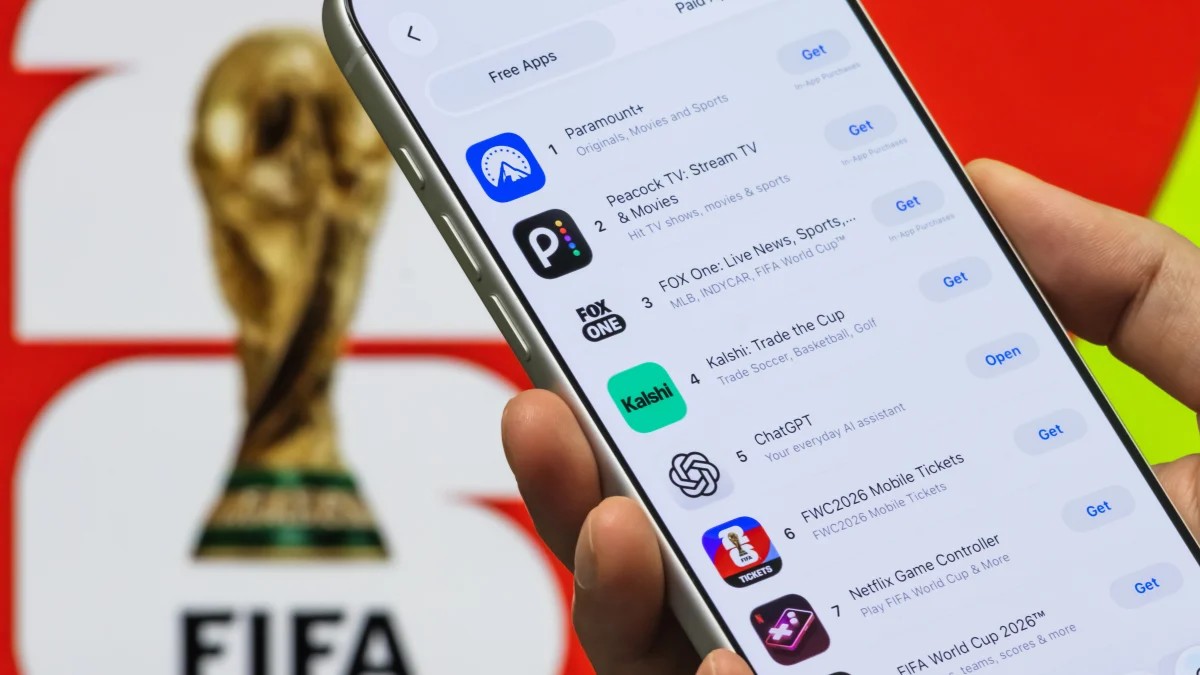
Spain won. The world watched. And somewhere in the digital ether, $1.2 billion changed hands.
Prediction market platform Kalshi didn’t just survive the 2026 World Cup; it feasted on it. According to the company, the tournament brought in 3 million new users. The numbers didn’t stop there. The event broke an internal record for trading volume in a single market. We are talking about a staggering $1.2 billion.
The tournament ran from June 11 to July 19. It ended with that chaotic, dramatic final between Spain and Argentina. People bet on who would lift the trophy. Some won big. Most didn’t. That’s the game.
The Marketing Blitz That Actually Worked
You saw them everywhere. Or you missed it. Either way, Kalshi was aggressive.
They didn’t just throw ads at the screen. They integrated into the culture. Luka Modrić, the Croatian legend, became a brand ambassador. He appeared in commercials. That’s high-credibility marketing. It feels less like an ad and more like a peer endorsement.
Then there was Lionel Messi. The Argentina star’s Instagram account has over 512 million followers—a number that defies comprehension. Kalshi secured a featured post on his grid. That kind of exposure is rare. Expensive. Effective.
In the U.S., they leaned on celebrity power too. Timothée Chalamet fronted a commercial. A-listers get attention. Attention gets clicks.
Sneaking Past the Official Sponsor
Here is where it gets interesting. And a little sneaky.
Neither Kalshi nor its main rival, Polymarket, was an official sponsor. FIFA had already picked a winner for that title. ADI Predictstreet claimed the “Official Prediction Market Partner” tag for the 2026 tournament. A small player. New money.
But Kalshi found a loophole. A backdoor. A clever pivot.
They partnered with ADI Predictstreet. They co-branded ads. It was a symbiotic, if slightly uncomfortable, relationship. But the real hack? The technical restriction.
ADI Predictstreet was legally barred from serving certain markets in the U.S. When a user from one of those restricted regions landed on the ADI site, a banner appeared. Prominent. Direct. It told them to go elsewhere. To Kalshi.
So the “official” partner was effectively funneling its own excluded customers to Kalshi. Kalshi got the volume without the sponsorship price tag. Brilliant? Maybe. Illegal? Debatable. Effective? Undeniably.
Gambling or Finance? The Argument
Prediction markets are controversial. They always have been. As they blow up, so does the scrutiny.
Critics point to risks. Illegal insider trading allegations float around. Users trade on topics that can lead to dangerous outcomes. Gambling is addictive. That’s why sports betting is heavily regulated. States are watching closely. Some are even suing, arguing that these platforms run illegal sports betting operations under the guise of finance.
Kalshi disagrees. It insists on the distinction.
“Kalshi is a financial exchange, not a gardening platform where the house sets the odds.”
A spokesperson told Mashable that people trade against each other. No house edge. No incentive to hook losers or limit winners. It’s peer-to-peer speculation. Technically accurate. Philosophically thin? Perhaps. But it’s the defense they use.
Why This Matters for 2026
The growth isn’t stopping. Every major event acts as a funnel. The World Cup was just the largest drip yet.
Three million users didn’t show up for nothing. They came for the drama. For the chance to win. Or to lose, which is half the thrill.
Prediction markets like Kalshi are no longer niche. They are mainstream. The legal battles will continue. The regulatory hurdles are high. But the money is already there. It’s flowing. And right now, it looks like a sure bet for Kalshi.
Unless, of course, Spain loses. Then everyone loses money. Except the platform. The platform always wins.