
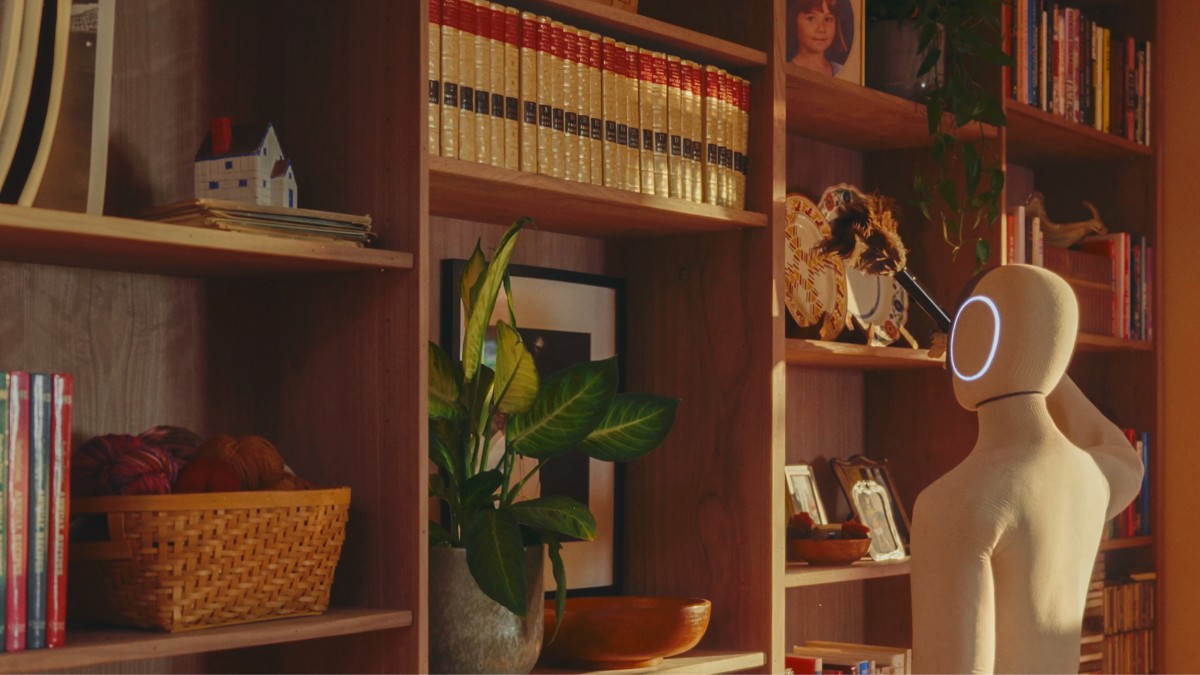
1X, the robotics firm behind the Neo humanoid robot, has released a new AI model designed to enable robots to learn from visual and textual information, bridging the gap between digital knowledge and physical action. The “1X World Model” allows Neo robots to acquire new capabilities by processing real-world video alongside user prompts, potentially speeding up the development of increasingly adaptable robots.
The Core Innovation: Learning From Observation
Unlike traditional robotics programming, which requires explicit instruction for every task, the 1X World Model lets Neo robots infer actions from observing video footage paired with textual commands. This means that instead of being pre-programmed for every possible scenario, a Neo robot could theoretically learn a new skill simply by watching a demonstration and receiving a corresponding prompt.
However, it’s important to clarify that this doesn’t mean instant mastery. 1X has confirmed that the process isn’t immediate: robots don’t simply watch a video and execute a complex task (like driving a car) flawlessly. Instead, captured video and prompts are fed back into the model, enhancing the collective understanding across the Neo robot network.
Implications for Consumer Robotics
This release coincides with 1X’s preparations to ship Neo humanoids to consumers. Preorders opened in October, and while exact numbers remain undisclosed, the company claims demand has exceeded expectations. The World Model is intended to make Neo more versatile and user-friendly for home use, allowing the robot to adapt to new tasks without constant reprogramming.
The model also offers insights into the robot’s decision-making process: users can observe how Neo interprets and prepares to react to certain prompts. This data is crucial for refining the AI, eventually aiming for robots that can respond intelligently to novel commands.
The Bigger Picture: Towards Self-Teaching Robots
1X CEO Bernt Børnich states that this is “the starting point of Neo’s ability to teach itself to master nearly anything you could think to ask.” While this is an ambitious claim, the company’s approach represents a significant step toward more autonomous and adaptable robotics.
The real significance here isn’t just about one robot learning a new trick; it’s about the potential for robots to share knowledge across a network, accelerating development and reducing the need for human intervention.
This technology raises broader questions about the future of robotics, as well as the potential for AI-driven machines to acquire skills independently. The focus is shifting from explicit programming to learning from observation, which could dramatically accelerate the evolution of humanoid robots.