
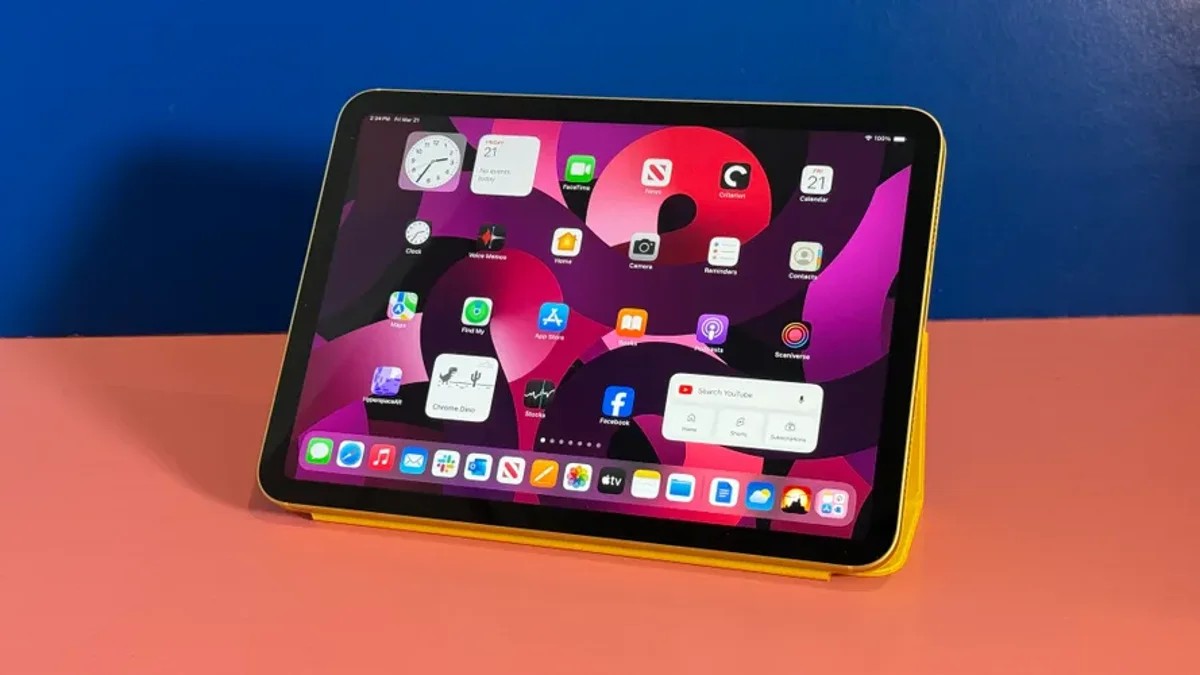
Apple’s recent product updates reveal a clear strategy: focus on upgrading premium iPad models while neglecting the entry-level “iPad” that many families and casual users rely on. Over the past six months, Apple has enhanced the iPad Pro and iPad Air with faster chips and improved features, but the standard iPad remains stuck with older technology.
The Gap Widens Between iPad Models
The most recent iPad Pro (M5 chip) and iPad Air (M4 chip) received significant upgrades. The iPad Pro now boasts an OLED display and a thinner design, but at a starting price of $999, it’s as expensive as some MacBook Air configurations. The iPad Air, while more affordable at $599, still represents a step up in cost compared to the basic iPad. These improvements cater to users willing to spend more for advanced features, but leave the budget-conscious consumer behind.
The Outdated Entry-Level iPad
The standard iPad, priced at $349, runs on the A16 chip—the same chip found in the 2022 iPhone 14 Pro. This chip is now the only processor in Apple’s current lineup unable to support Apple Intelligence, meaning users of this iPad will miss out on the company’s touted AI features.
This disparity is concerning for several reasons:
- The A16 chip is becoming increasingly outdated, even for basic tasks.
- The lack of AI support locks users out of potentially useful software features.
- The entry-level iPad feels increasingly like a neglected product, despite being the most accessible option for many.
Apple’s Strategic Push: Upselling to Higher Tiers
The omission of upgrades for the standard iPad suggests Apple is subtly pushing consumers towards more expensive models. By leaving the entry-level iPad behind, the company may be encouraging buyers to spend more on the Air or Pro versions. This strategy may be effective in driving revenue, but it also creates a noticeable gap in Apple’s product lineup.
What Does This Mean for Consumers?
The situation highlights a broader trend in tech: manufacturers often prioritize high-margin products over entry-level options. While the iPad Air is a capable device, it’s not a true replacement for the everyday, family-friendly iPad that many customers expect.
The future of the basic iPad remains uncertain, but the current trajectory suggests Apple is less interested in maintaining a strong presence in the budget tablet market. This could force consumers to choose between outdated hardware or spending significantly more for a modern device.