
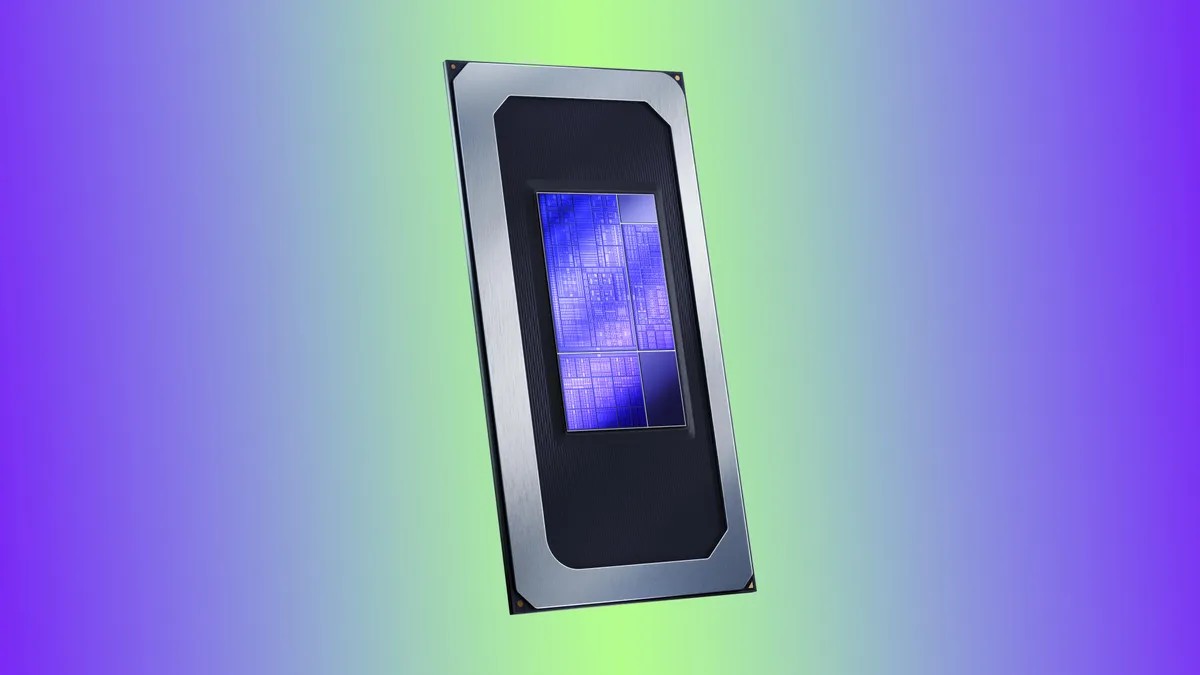
Intel is poised to dramatically raise the bar for integrated graphics with its upcoming Panther Lake processors. A recent leak of Geekbench test results suggests the next-generation iGPU, based on the Xe3 architecture, delivers performance comparable to discrete Nvidia RTX 3050 series GPUs. This breakthrough could reshape the mobile computing landscape, potentially making high-end gaming and demanding creative tasks viable on thin-and-light laptops without the need for dedicated graphics cards.
The Context: Why This Matters
Intel has long been working towards this milestone. For years, integrated graphics were an afterthought, suitable only for basic tasks. However, the increasing demands of modern software, particularly games and professional applications, have made high-performance iGPUs essential. Apple’s M-series chips have already demonstrated the potential of powerful integrated graphics, putting pressure on Intel and AMD to compete. The Panther Lake chips, built on Intel’s advanced 18A 2nm process, represent a critical response to this competition.
Geekbench Leak: The Numbers Speak
A Geekbench 6 score from a Samsung Galaxy Book 6 Pro prototype equipped with an Intel Core Ultra X7 358H CPU and Arc B390 graphics reveals impressive performance. The iGPU scored 57,001 in the OpenCL test, nearly matching the 58,044 score of a laptop with an RTX 3050 Ti. This is a substantial improvement over Intel’s current Arc 140V graphics (Xe2 architecture), which scored 27,666 in the same test – over a 2x performance gain.
Caveats and Real-World Testing
While these numbers are promising, it’s crucial to remember that Geekbench is a synthetic benchmark. Its OpenCL test isn’t ideal for measuring 3D gaming performance, where the Vulkan test provides a more accurate assessment. Until real-world gaming benchmarks are available, it’s difficult to draw definitive conclusions. However, if these leaked scores translate to actual gaming performance, Intel could offer a compelling alternative to traditional discrete graphics solutions.
What’s Next?
Intel plans to officially launch the Panther Lake processors at CES in January. The show will showcase a range of laptops powered by the new chips, allowing for independent testing and verification of these claims. If Intel delivers on this promise, it could significantly disrupt the laptop market, providing consumers with powerful, efficient, and integrated graphics solutions.