
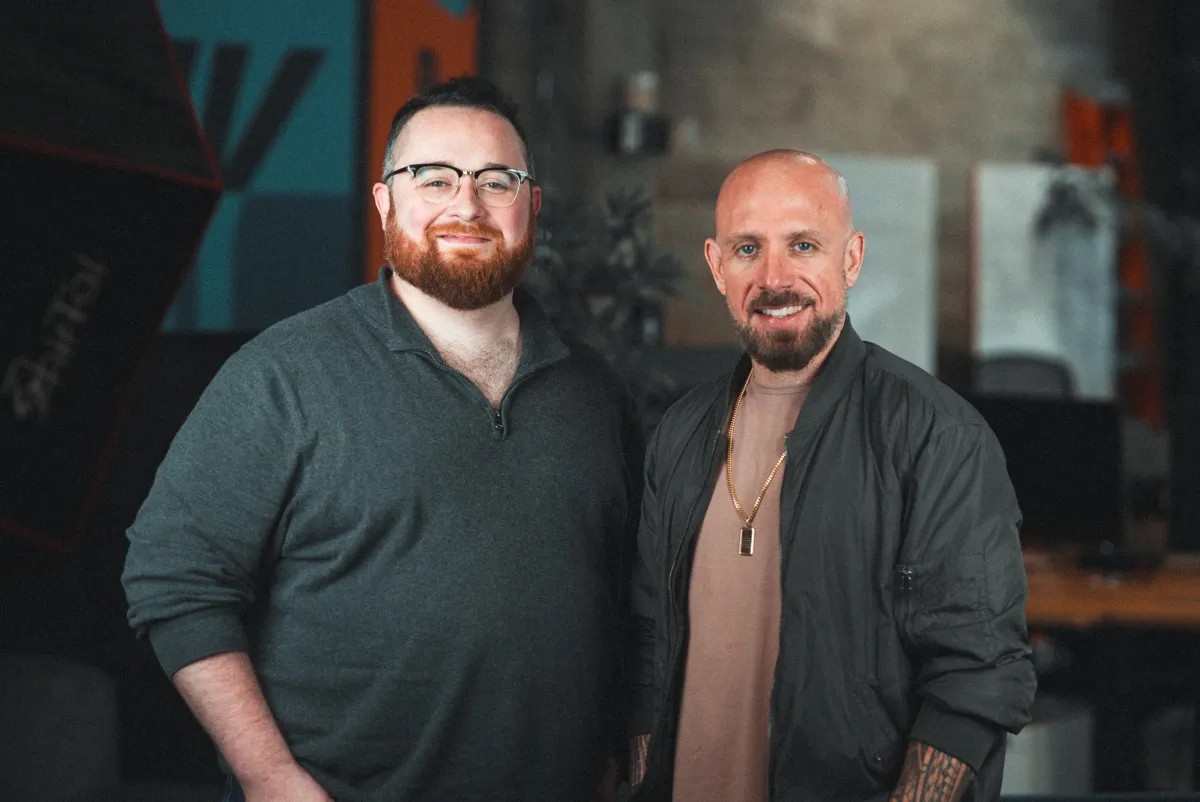
In the rapidly evolving landscape of Artificial Intelligence, massive corporations often dominate the conversation. However, Arcee, a lean U.S.-based startup with just 26 employees, is challenging this status quo. By releasing its new reasoning model, Trinity Large Thinking, Arcee is signaling that high-performance AI does not necessarily require a trillion-dollar budget or a massive workforce.
Breaking the Efficiency Barrier
Arcee has achieved a significant feat in engineering: building a massive, 400-billion-parameter Large Language Model (LLM) on a relatively modest $20 million budget. This level of efficiency is notable in an industry where many players are spending billions to achieve similar scale.
The new Trinity Large Thinking model is positioned as a high-tier “open-weight” model. According to CEO Mark McQuade, it represents one of the most capable models of its kind released by a non-Chinese company. This distinction is vital for understanding the current geopolitical and corporate tensions in the AI sector.
The Push for Western AI Autonomy
The release of Trinity Large Thinking serves a broader strategic purpose: providing Western companies with a viable alternative to Chinese-based models. While Chinese AI models are highly competitive, many Western enterprises view them through a lens of risk, citing concerns over data security and differing regulatory ideals.
Arcee offers two primary paths for integration:
– On-Premises Deployment: Companies can download the model, fine-tune it for specific tasks, and run it on their own hardware. This ensures complete data sovereignty.
– Cloud-Hosted API: For those seeking convenience, Arcee provides a managed version accessible via the cloud.
Freedom from “Big Tech” Volatility
A significant advantage of Arcee’s approach is the independence it offers developers. Users of “closed-source” models—such as those from Anthropic or OpenAI—are often subject to sudden changes in terms of service or pricing.
A recent example is the tool OpenClaw. Its creator, Peter Steinberger, noted that Anthropic recently changed its subscription structure, meaning Anthropic subscriptions would no longer cover OpenClaw usage, forcing users to pay additional fees. This type of “platform risk” makes developers wary of relying solely on a single giant. In contrast, Arcee’s models are gaining traction on platforms like OpenRouter, as they provide a more stable and predictable foundation for building AI agents.
Comparing the Competition
While Trinity Large Thinking is a powerful entry into the market, it is important to view its capabilities in context:
| Feature | Arcee (Trinity) | Meta (Llama) | Closed Models (OpenAI/Anthropic) |
|---|---|---|---|
| Licensing | Apache 2.0 (True Open Source) | Custom/Restrictive License | Proprietary (Closed) |
| Performance | High-tier Open Weight | Industry Standard | State-of-the-Art |
| Control | Full On-Premises Control | High | Minimal (API only) |
While Trinity may not yet match the raw power of Meta’s upcoming Llama 4 or the highly polished performance of Claude, it offers a “gold standard” licensing model. By using the Apache 2.0 license, Arcee ensures that its models are truly open, avoiding the legal complexities and restrictions often found in larger corporate models.
Arcee is not just building a model; it is building an ecosystem where developers can operate without being held hostage by the shifting policies of tech giants.
Conclusion
Arcee’s emergence highlights a growing trend: the rise of highly efficient, specialized startups that prioritize data sovereignty and licensing transparency. By offering a high-performance alternative to both Chinese models and domestic tech giants, Arcee is carving out a critical niche in the global AI infrastructure.