



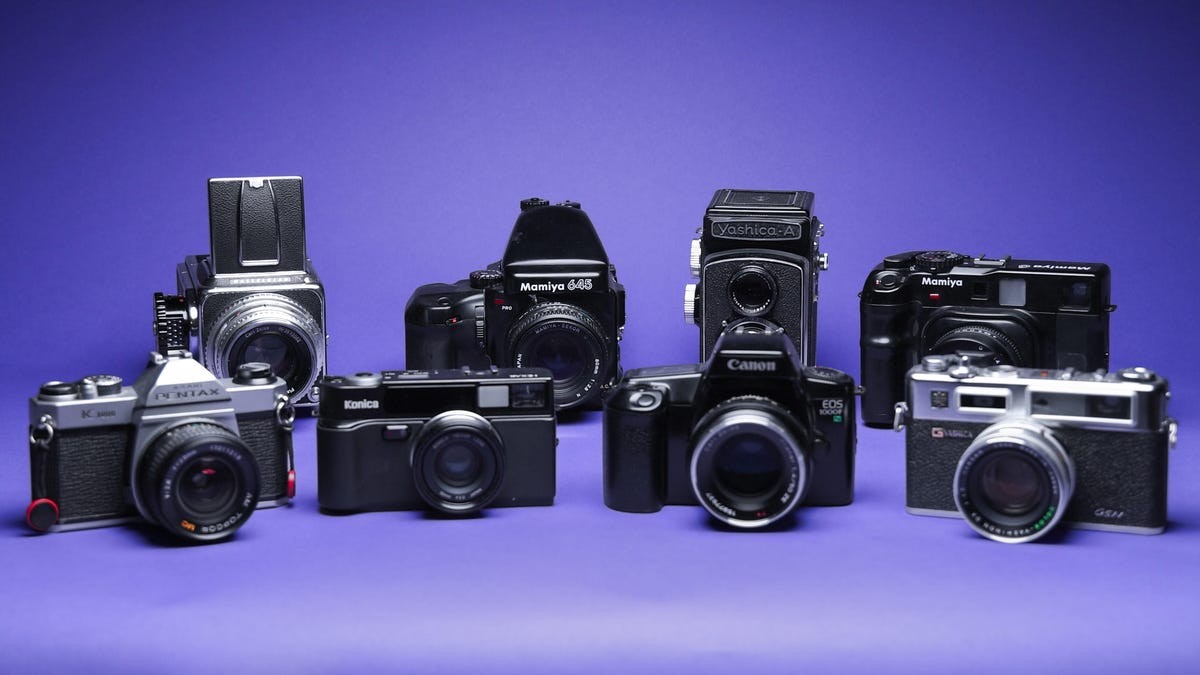
The resurgence of film photography is undeniable. Once nearly obsolete thanks to digital dominance, analog cameras are now enjoying a revival driven by social media trends and a desire for a more tactile, deliberate photographic experience. Unlike the instant gratification of digital, film forces you to slow down, consider each shot, and embrace the anticipation of development. This guide will help you navigate the world of analog, from choosing the right camera to finding the best film.
Why Choose Film?
Before the digital revolution, film was the only way to capture images. Today, photographers return to film for authenticity, a creative challenge, or simply the vintage aesthetic—similar to the appeal of vinyl records. The process is more deliberate: you must carefully consider each shot, as rewinding and reloading is not instantaneous. The cost of film is rising alongside its popularity, but many find the tangible results and unique aesthetic worth the investment.
What Type of Film Camera Should You Buy?
With countless options available, choosing the right camera depends on your budget and experience level. Here’s a breakdown of the main types:
Point-and-Shoot Cameras
These are the easiest entry point. Most have fixed lenses with autofocus and automatic settings, making them ideal for casual shooting. Models like the Canon Prima Zoom range from $50 to $130, while higher-end options like the Konica Hexar AF can cost between $800 and $1,000. The more expensive models offer superior lenses and features, but the core experience remains simple.
Vintage SLR Film Cameras
Classic SLRs (Single-Lens Reflex), such as the Canon AE-1, Nikon F, or Pentax K1000, offer a retro look and are widely available at low prices. The Pentax K1000 can be found for as little as $10, and vintage lenses are often cheaper than modern equivalents. These cameras are often fully manual, requiring you to adjust aperture and shutter speed based on an internal light meter (make sure the battery is fresh). Some models offer aperture-priority modes, where the camera selects the shutter speed automatically.
Modern SLR Film Cameras
For a blend of classic and modern, consider cameras like the Canon EOS 1000F. These models feature autofocus, interchangeable lenses, and broader automatic settings, making them user-friendly for beginners. They remain affordable, costing between $20 and $50 on resale sites like Kamerastore or KEH. Canon EOS lenses are also compatible with older digital Canon systems, making them a versatile investment.
Medium Format Cameras
For advanced users, medium-format cameras (like the Hasselblad 500C or Mamiya 6) offer higher image quality but come at a higher cost and complexity. The Hasselblad 500C can range from hundreds to thousands of dollars, and a single roll yields only 12 images. These cameras require manual metering and settings adjustment. The Mamiya 6 offers some automation, but remains expensive. Medium format is best approached after mastering 35mm film.
Where to Buy Film Cameras
Avoid impulse buys from unreliable sources. While finding a bargain in a junk shop is rare, online marketplaces like eBay, Facebook Marketplace, and Craigslist can offer deals—but proceed with caution. Inspect cameras thoroughly for worn seals, damaged mechanics, or scratched lenses.
For peace of mind, reputable dealers like Kamerastore, KEH, and Adorama inspect, certify, and restore used equipment. While more expensive, this ensures functionality and reduces the risk of buying a dud.
What Film Should You Use?
Film is categorized by color or black and white. Black and white is typically cheaper, but neither is inexpensive today.
Color Film: Kodak Gold 200 is an excellent starter film, offering warm tones and costing under $10 per roll. Other options include Kodak Portra 400/800 (expensive but high-quality) and Harman Phoenix (for unique tones).
Black and White Film: Ilford HP5 (ISO 400) is versatile and affordable. Kentmere 400 is a cheaper alternative. For low-light conditions, Ilford Delta 3200 (ISO 3200) allows faster shutter speeds. Leica Monopan 50 (ISO 50) requires slower speeds and wider apertures.
Your film choice dictates ISO speed, a concept digital photographers adjust instantly. Lower ISO (like 50) requires slower speeds, while higher ISO (like 3200) allows faster speeds in dim light.
Ultimately, film photography is about embracing imperfection, slowing down, and appreciating the tangible results. The process may be slower and more expensive than digital, but the unique aesthetic and deliberate approach make it a rewarding experience.


