President Donald Trump isn’t just pursuing foreign policy initiatives; he’s aggressively reshaping the nation’s capital in his own image. While past presidents have left their mark on Washington, D.C.’s landscape, Trump’s disregard for established design review processes and his ambitious, often unilateral, alterations raise serious questions about the future of the city’s architectural integrity.
Unprecedented Changes Underway
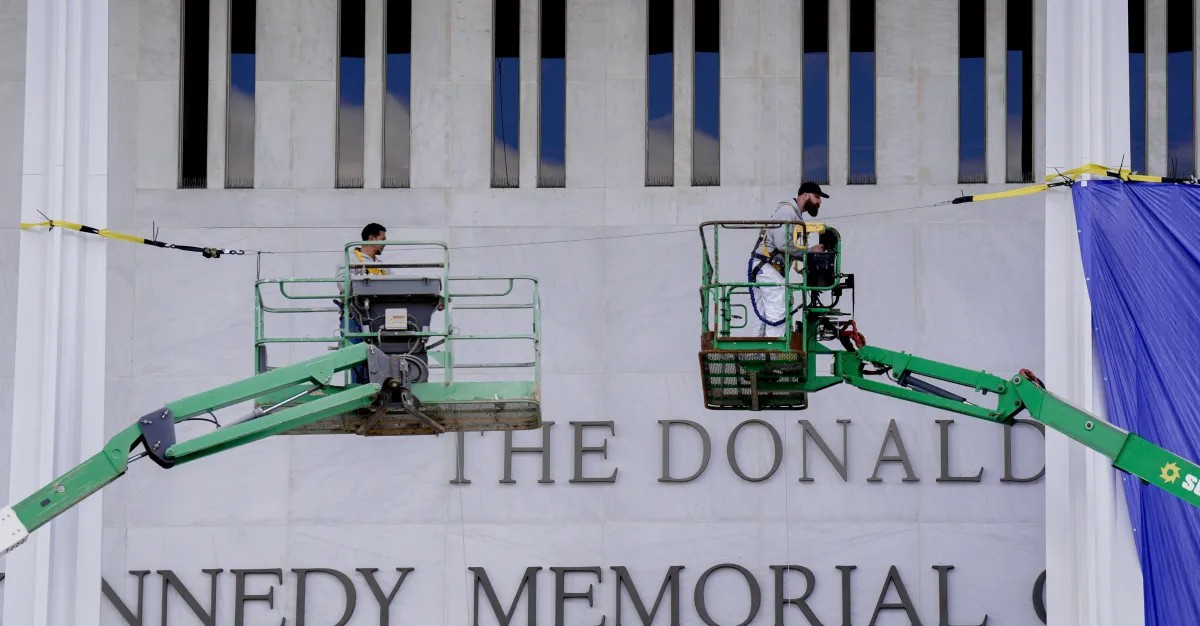
The changes are already visible: the demolition of the East Wing of the White House to make room for a ballroom, a redesigned Rose Garden, and the planned two-year closure of the Kennedy Center for extensive renovations. Beyond these, proposals include a 250-foot triumphal arch near Arlington National Cemetery, repainting the Eisenhower Executive Office Building, and a new sculpture park near the National Mall.
These interventions aren’t simply renovations. They represent a deliberate effort to impose a personal aesthetic on a carefully planned city. Architectural critic Philip Kennicott of The Washington Post argues that Trump poses the greatest threat to D.C.’s design since the city was burned by the British in 1812. This isn’t hyperbole; the scale and speed of these changes, combined with the circumvention of standard review procedures, are unprecedented.
The Intentionality of Washington, D.C.
What makes these changes particularly concerning is that D.C. isn’t an organically grown city like New York. It was designed, from its inception, as a statement of national ambition. Pierre L’Enfant’s 1791 plan intentionally layered grand avenues over a traditional grid, connecting symbolic landmarks like the Capitol and the White House. This intentional design created sweeping vistas meant to evoke the country’s forward-looking spirit.
For decades, Washington has maintained a relatively low skyline, partly by design. Trump’s proposed 250-foot arch would shatter that tradition, fundamentally altering the city’s visual character and setting a dangerous precedent.
The Erosion of Design Review
The most alarming aspect may not be the physical changes themselves, but Trump’s dismantling of the safeguards meant to prevent them. Historically, design review boards—composed of architects, landscape artists, and other professionals—have played a crucial role in preserving the city’s aesthetic integrity. Now, these committees are being stacked with unqualified loyalists, including a 26-year-old personal assistant with no relevant expertise, effectively rubber-stamping Trump’s plans.
This isn’t merely a policy shift; it’s a roadmap for future presidents who might seek to impose their own vision on the capital without oversight. As Kennicott notes, it echoes the behavior of ancient Roman emperors who defaced monuments of their predecessors to assert their authority.
The Risk of a New Aesthetic Seesaw
The question remains whether the public will embrace these changes, as they have with other controversial landmarks like the Statue of Liberty. However, the key difference lies in the deliberate undermining of the processes meant to ensure thoughtful urban development. Trump isn’t just building; he’s dismantling the system that has protected Washington’s unique character for generations.
The long-term consequences of this shift remain uncertain. But one thing is clear: the architectural legacy of Washington, D.C., is under direct threat, and the future of the nation’s capital hangs in the balance.