
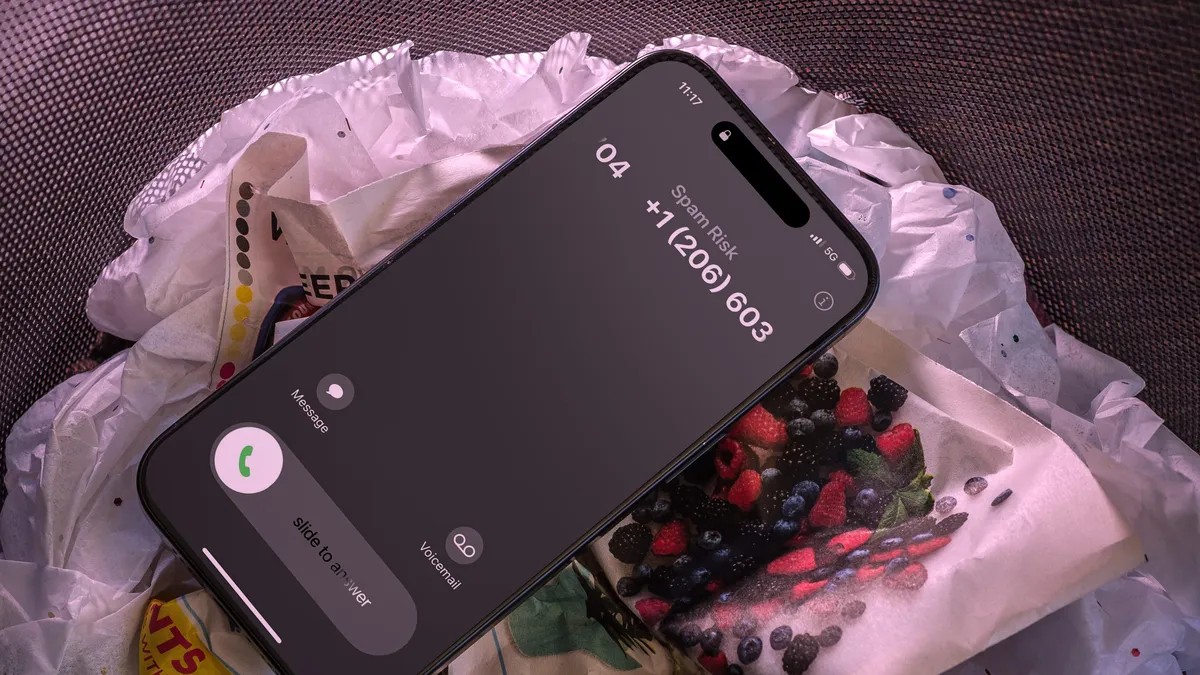
The surge in scam calls is relentless. In 2026, unsolicited calls and messages are more aggressive than ever, costing US consumers an average of $2,257 each if they fall victim – a 527% increase in losses over the previous year. This isn’t just an annoyance; it’s a growing financial crisis fueled by increasingly sophisticated tactics, including AI-powered impersonations used in political campaigns and deceptive robocalls.
The problem is not a lack of solutions, but their inadequacy. Despite the FCC’s implementation of Stir/Shaken verification technology and new regulations aimed at curbing telemarketing blasts, the core issue persists: scammers exploit loopholes by renting thousands of phone numbers to bypass restrictions. As Margot Saunders of the National Consumer Law Center points out, current measures are “not working to ensure accurate caller ID,” leaving consumers exposed.
The Brutal Truth: Don’t Answer. The most effective strategy is simple: ignore every incoming call unless it’s from a known contact. Even answering to tell a scammer to stop confirms your number is active, marking you as a target for further exploitation.
Here’s How to Protect Yourself:
- Let Calls Go to Voicemail: Allow unknown numbers to ring through to voicemail. This minimizes the risk of confirming your line’s activity. Modern smartphones offer features to preview voicemails with transcriptions, allowing you to filter out scams without listening.
- Silence Unknown Callers: Utilize built-in phone settings (iOS “Silence Unknown Callers” or Android “Filter Spam Calls”) to automatically send unrecognized numbers directly to voicemail.
- Screen Calls with Caution: Features like Apple’s Live Voicemail or Google Call Screen provide real-time transcriptions, but remember: these tools aren’t foolproof and raise privacy concerns.
- Never Engage: Do not press buttons, say “yes,” or interact with automated prompts.
The FCC’s approach of advising what not to do underscores the reality: existing tech is failing. The most effective solution, though nihilistic, is to treat every call as suspicious unless it comes from a trusted source.
Ultimately, the fight against scam calls requires systemic change – holding telecommunications providers accountable for enabling these schemes. But until that happens, the only reliable defense is to stop answering your phone.