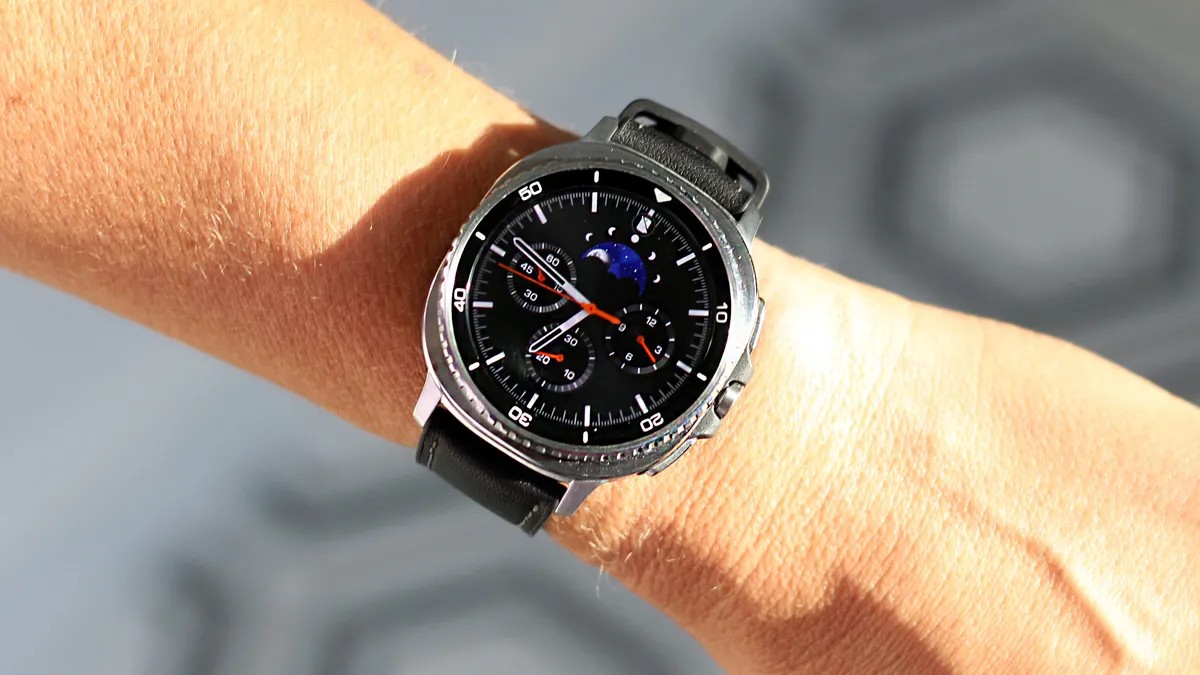
Samsung Galaxy Watch users are reporting an odd anomaly: their devices are consistently displaying perfect sleep scores of 99, despite no changes in their sleep habits. The issue, first noted on Reddit, has spread among multiple users, raising questions about a potential software glitch or unintended consequence of recent updates.
The Anomaly: Perfect Scores with No Explanation
The Galaxy Watch, like other fitness trackers (such as the Oura Ring), uses data collected during sleep to generate a score from 1 to 100. One user, “dylanchadderton,” reported a sudden shift from typical scores in the 80s-90s range to a consistent 99, despite no alterations in their routine. This is unusual because the score is supposed to reflect real-world sleep quality.
Other users quickly confirmed similar experiences, with many reporting days of flawless scores without any changes in their behavior. The collective experience suggests this is not an isolated incident, but a systemic issue.
Possible Causes and Samsung’s Silence
The cause remains unclear. A plausible explanation is a software glitch introduced during a recent update. Samsung announced this week that they are working on integrating advanced health detection features into their wearable tech, including a new method for detecting Left Ventricular Systolic Dysfunction (a serious heart condition affecting up to half of all heart failure cases). It’s possible that testing or deployment of this new feature inadvertently triggered the scoring error.
However, Samsung has not yet issued a comment on the situation, leaving users in the dark. This silence is not uncommon in tech incidents, but it adds to the confusion.
What This Means
The incident highlights the reliance on wearable technology for health metrics. While these devices are convenient, they are still prone to errors. The fact that multiple users received the same impossible score underscores the potential for systemic flaws in the algorithms used to process sleep data.
The situation is likely temporary, but it serves as a reminder that health tracking data should be taken with a grain of salt. Until Samsung addresses the issue, users should treat the inflated scores with skepticism.