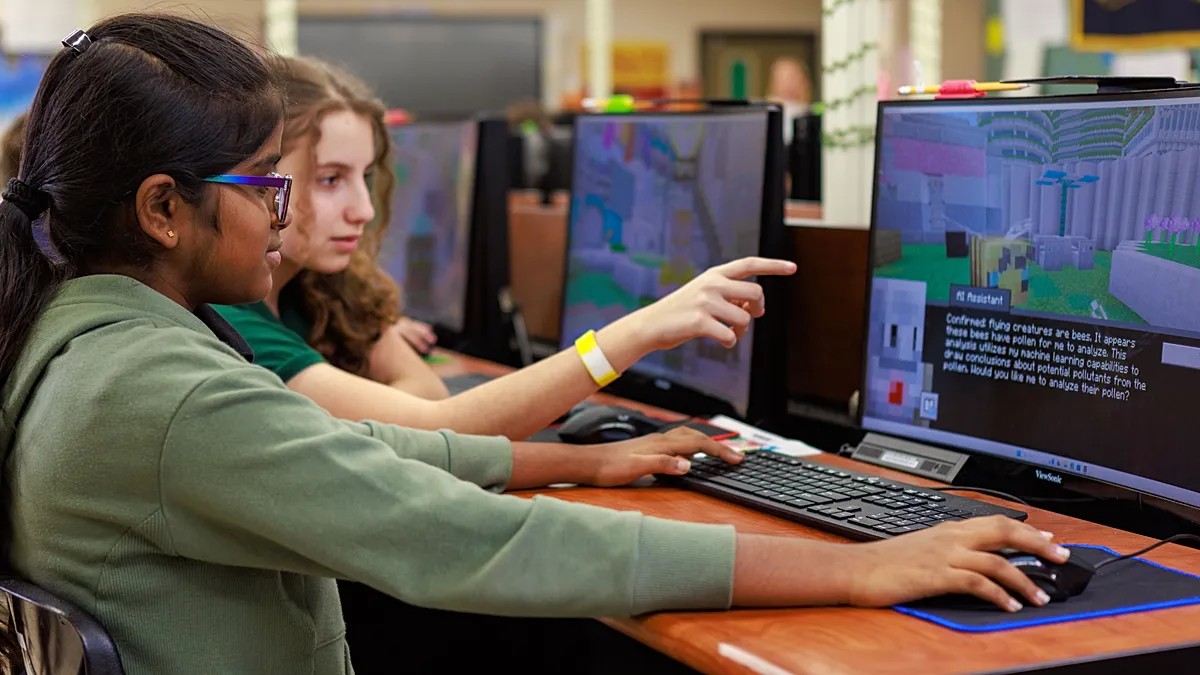
Artificial intelligence is rapidly integrating into daily life, and education is no exception. From students using tools like ChatGPT for assignments to teachers leveraging AI for support, the landscape of learning is changing. However, the extent to which teachers across Europe are embracing AI varies dramatically, with some countries leading the charge while others lag behind.
Disparities in AI Adoption
A recent survey by the Organisation for Economic Co-operation and Development’s (OECD) Teaching and Learning International Survey (TALIS) reveals significant differences in AI usage among lower secondary school teachers as of 2024. Albania leads with 52% of teachers using AI, followed by Malta, Czechia, and Romania (all at 46%). In contrast, France reports only 14% AI adoption, with other nations like Bulgaria (22%) and Hungary (23%) also showing low engagement. The EU-22 average stands at 32%, while the OECD-wide average is 36%.
This isn’t merely a matter of technological access; it reflects broader policy, cultural, and infrastructural differences.
Why the Divide?
Several factors contribute to these disparities:
- Government Policy: Some countries have actively promoted national AI strategies in education, while others remain cautious. UNESCO notes that varying approaches to generative AI, particularly regarding student age, influence teacher awareness and usage.
- Infrastructure & Restrictions: Technological limitations, such as firewalls, and lack of training opportunities hinder adoption in some regions. The OECD highlights a strong correlation between AI training for teachers and actual AI use.
- Educational Culture: Each country’s approach to integrating technology into schools differs significantly, with some favoring a more precautionary stance.
- Teacher Shortages & Workload: According to the European Trade Union Committee for Education (ETUCE), teacher shortages and heavy workloads can impact willingness to adopt new tools.
How Teachers Use AI
Teachers who do use AI primarily rely on it for their own preparation. 65% use AI to research and summarize topics, and 64% generate lesson plans and activities. Less common uses include:
- Helping students practice skills (49%)
- Supporting special education needs (40%)
- Automating difficulty adjustments (39%)
- Creating feedback for parents (31%)
- Analyzing student data (29%)
- Grading assignments (26%)
This suggests that AI is currently used more as a behind-the-scenes tool for teachers rather than a direct, student-facing one.
The Future of AI in Education
Experts agree that AI adoption will continue to grow, but responsible implementation is crucial. European Schoolnet emphasizes that teachers should remain central to the learning process, ensuring ethical oversight and student agency. UNESCO stresses that AI should complement, not replace, educators.
However, concerns remain about potential de-skilling of teachers due to reliance on AI, especially in a context of existing teacher shortages. The current OECD data does not measure the frequency of AI use, meaning it is unclear if teachers are using AI regularly or merely experimenting with it.
Ultimately, the integration of AI in European classrooms is evolving, but its success hinges on thoughtful policy, adequate training, and a continued focus on preserving the role of the teacher.