
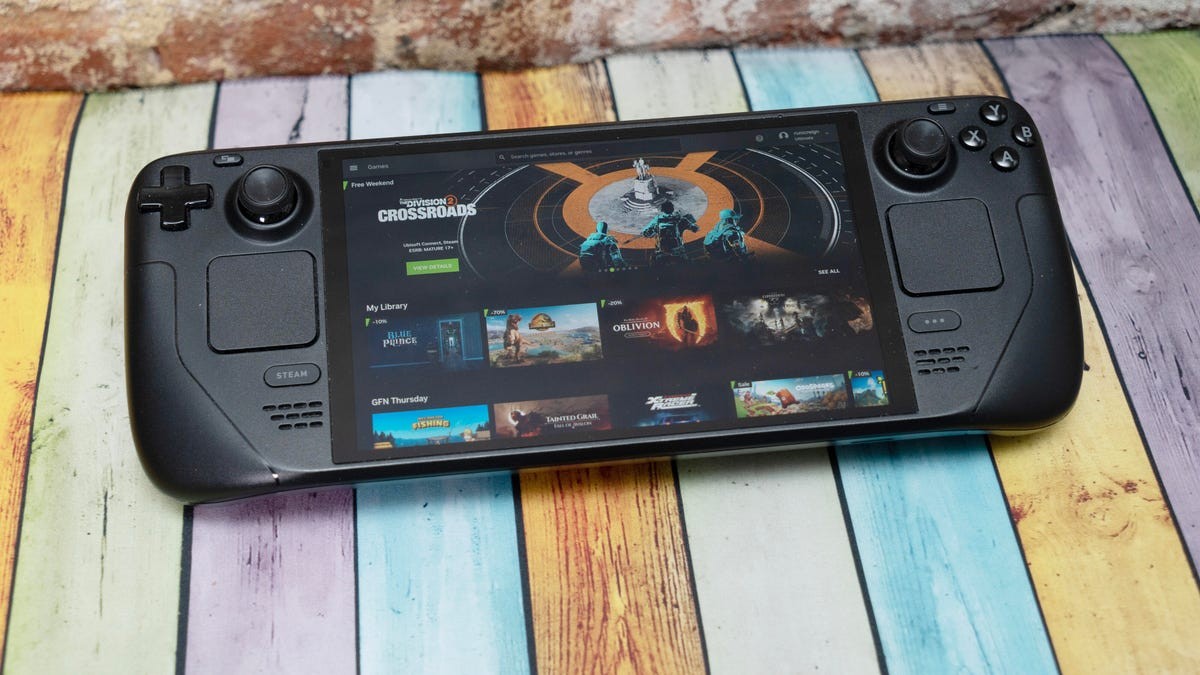
It costs $789 now.
Not $400. Not even close to $649. If you want the 512GB OLED Steam Deck that launched as a $400 alternative back in 2022, you’re looking at nearly eight figures on your wallet. The 1TB model? That jumped from $649 to a staggering $949.
Someone on X, going by Wario64, spotted the shift first. It happened Wednesday. Valve didn’t answer when asked why. Silence usually means “we have no good answer,” but here the math is obvious.
RAMageddon hits the wallet
Call it “RAMageddon” if you like. The global shortage of computer memory isn’t a glitch anymore, it’s a permanent resident of the hardware market. And it’s eating prices alive.
This shouldn’t surprise anyone paying attention. Back in February, Valve delayed two big launches: the Steam Machine for the living room and the Steam Frame for VR. They came last November with no price tags, but whispers suggested $600 or maybe $700.
Those numbers are dead now.
With components this expensive, you can’t sell a handheld that hasn’t seen a major internal upgrade since 2022 at those old prices. You just can’t. The margins don’t work. Valve tried to keep the Deck in stock for the first half of 20
26 but struggled. Between memory scarcity and tariffs, units were ghosts. Hard to find. Even harder to keep.
The hardware itself hasn’t changed much since 2022, but the cost to build it has doubled in some respects. That discrepancy is the story.
Everyone pays the premium
Valve is bleeding on memory, sure, but Nintendo isn’t safe.
Last month they announced a $50 hike for the Switch 2. Launching in September, it’ll cost $500. To soften the blow they tossed in a free game. It feels like a bandage on a gunshot wound, but whatever. It’s better than nothing.
Earlier? The original Switch got pricey too. Tariffs did that. President Donald Trump’s trade policies added friction to every box that crosses the border. Nintendo actually sued the government over it. Customers sued Nintendo asking for refunds. Chaos, essentially.
Microsoft isn’t exempt either. Two price hikes last year for the Xbox Series line. Again, tariffs at the heart of it.
So what happens now?
You buy into the new normal. You pay double for the same silicon experience you knew years ago. Or you don’t. The choice is yours, really, though the prices make it feel like you already lost.
Hardware gets expensive when the world decides it’s scarce. No amount of coding changes that fact.