
For years the internet sold a lie. It told us geography didn’t matter. That connection was purely digital. You could find your people in a Discord server. Or a TikTok comment section. Your physical location was just a backdrop.
That model is breaking.
Now people are turning back to the person standing right next to them. The neighbor across the hall. The parent at the playground. The person whose Wi-Fi name shows up on your list.
This isn’t just about loneliness. It’s survival. Rent is high. Groceries are pricey. Childcare is a luxury most can’t afford. Climate disasters hit local first. When things go wrong stability comes from the person down the block who can actually show up.
Call it neighborism. Proximity as a resource. Digital tools aren’t replacing these relationships anymore. They’re activating them.
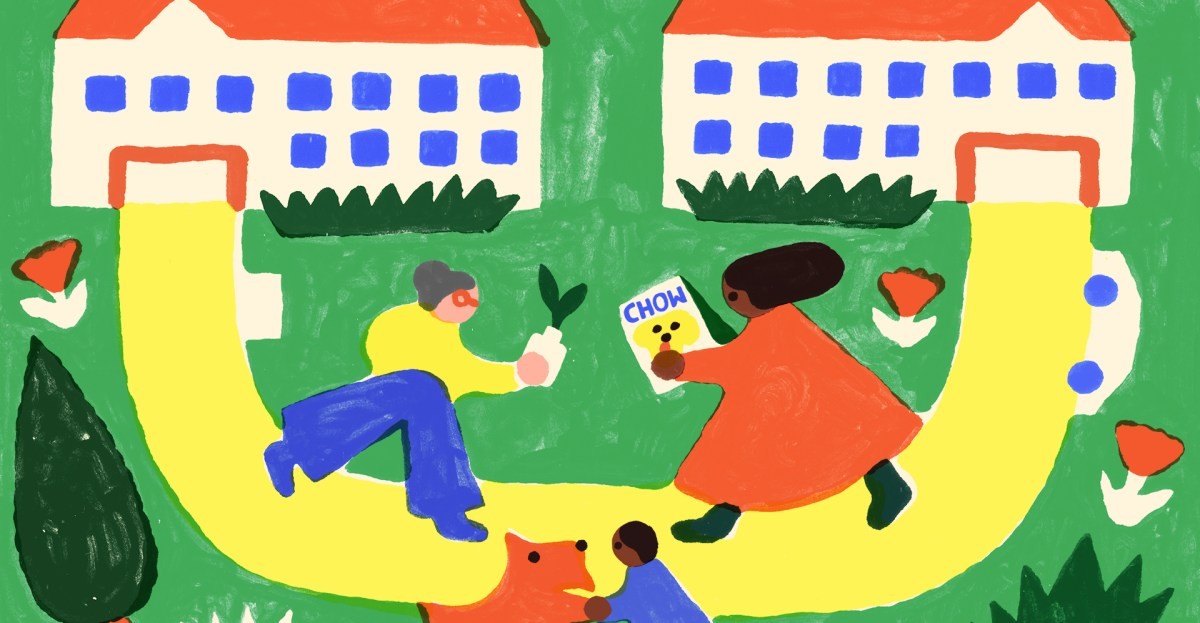
It can look small. Watering a plant. Introducing yourself to the person on your floor. But it also looks overtly political. In Minneapolis community responses to ICE activity blended care with resistance. Residents filmed arrests. They organized patrols. They trained each other to document abuses. It wasn’t just borrowing sugar. It was infrastructure. Fast-moving. Informal. Built on trust.
Getting to know neighbors isn’t new. Its visibility is. We spent decades drifting into isolation and digital long-distance friendships. Now we are returning to an old idea. Communities work best when we feel responsible for each other.
The Cost of Going Global
Eric Klinenberg teaches sociology at NYU. He wrote Palaces for the People. He says Americans socialized with neighbors far more 60 years ago. Not because we liked it. Because it was necessary. Long distance calls cost money. Email didn’t exist.
Life revolved around the home base. Women often stayed in the neighborhood. They anchored family social life.
Today is different.
Work hours are longer. Gig economy demands are brutal. The “sandwich generation” is exhausted. Americans socialize at work. Or they don’t. Algorithms do the entertaining while we stay anti-social but stimulated. Platforms let us find our tribe anywhere. Shared interests beat shared space.
Garrett Bucks founded the Barnraisers Project. He says the tech promises fell short. “We’ve tried everything else.” The problem? We miss face-to-face companionship. The version of connection offered by global platforms feels thin. Wide reaching. Not reliable.
So apps are changing role again. They aren’t the destination. They’re the tool. Staying in touch with the playground group. Organizing bulk grocery runs. Finding out who lives on the block.
We have connective infrastructure at our fingertips now. Previous generations didn’t. We can repurpose platforms for something smaller. Slower. Grounded. Translating online awareness into offline care. Maybe we should just try each other.
Practice Makes Trust
Most people don’t know their neighbors. It feels normal. Routine. You pass by. Maybe a quick hello. You keep moving. Until the distance hurts.
Alec Patton in San Diego realized this in 2024. He checked his neighborhood knowledge. It was horrifying. He thought everyone else was hanging out without him. The staggering extent of the ignorance was too much to ignore. He started a WhatsApp group.
The old way works best.
Patton printed 50 fliers. Dropped them in mailboxes. Now the group has 50 members. Growing. He puts a QR code on his phone lock screen. He asks passersby while reading on his stoop.
The value emerged fast. Small ways. Significant ways.
He needed a car seat in half an hour. He posted an urgent message. A neighbor responded in five minutes. Saved the day.
Later a raid happened near a restaurant. The chat became an info hub. Neighbors coordinated support. Patton thought he wanted apolitical space. He was wrong. Showing up in times of need isn’t politics. It’s care.
But care isn’t passive. It takes unglamorous work. There is no app for trust. It accumulates slowly.
“You really do have to invite your neighbors over,” says Bucks. You have to go to the annoying meeting at 7pm. You have to tolerate the annoying Signal group. Because it is worth it.
If the effort is missing the absence is loud. Not knowing someone means they can only annoy you. It creates a sad dynamic. Patton noticed this with a loud neighbor. He wanted to yell. But if he knew them? If he knew “Mike was having a barbecue”? The annoyance faded. He could actually talk to the person. Not just the noise.
Robert Sampson at Harvard studies collective efficacy. He says tight friendship isn’t required. You don’t have to like everyone. You need loose connections. A willingness to step in. To maintain order. To help. Any mechanism that brings people together creates a public good. Regular interaction. Shared responsibility.
Filling the Gaps
Institutions fail.
Good Looking Out is a Facebook group in West Philadelphia. Started in 2014. It connects residents for urgent needs. Flooded basements. Lost pets. Co-founder Gabriel Nyantakyi started it because of conversations about police. A desire for independence from the state.
The culture shifted. Mutual aid grew. Community fridges appeared. The pandemic accelerated this. Institutional gaps became impossible to ignore. Government was inadequate. The community stepped in.
Aisha Nyandoro leads Springboard to Opportunities. She works in subsidized housing. For her community neighborism isn’t optional. It is survival. “A practice of radical everyday care.” Proximity is everything. Those who share a street are co-creators of your safety. Your joy. Reciprocity is the goal. Not transactional. Mutually helpful.
Watching a kid when a shift runs late. Texting for a ride to the store. These small acts build the trust Sampson talks about.
Klinenberg ties it to physical space. Social infrastructure. Playgrounds. Libraries. Green space. These places make connection possible. Without them ties remain weak.
The emotional pull is real. Juli Fraga is a psychologist in the Bay Area. She notes that proximity based relationships are easy to maintain. Low stakes. Low isolation. Just being around people helps.
Doing small favors cultivates positive emotions. Seeing others struggle similarly reduces loneliness. It helps you feel less alone in a hard world.
But neighborism isn’t just sentiment. It is function. We are rediscovering something basic after years of hyper-optimized online isolation. Life is better when someone nearby knows your name.
They might not be your best friend. They will show up awkwardly. Imperfectly. Sometimes they just stand there to witness.
None of this is new. Bucks reminds us of that. “We’re not learning to do something humans haven’t done before.” We are just remembering.
The question is whether we have the time left to do it again. The infrastructure is there. The tools are ready. But trust… trust takes more than an app. It takes showing up. When you need it most will anyone be there? Or will we wait for the algorithm to save us?
The neighbor down the street is still there. Waiting for you to look up from your phone.