
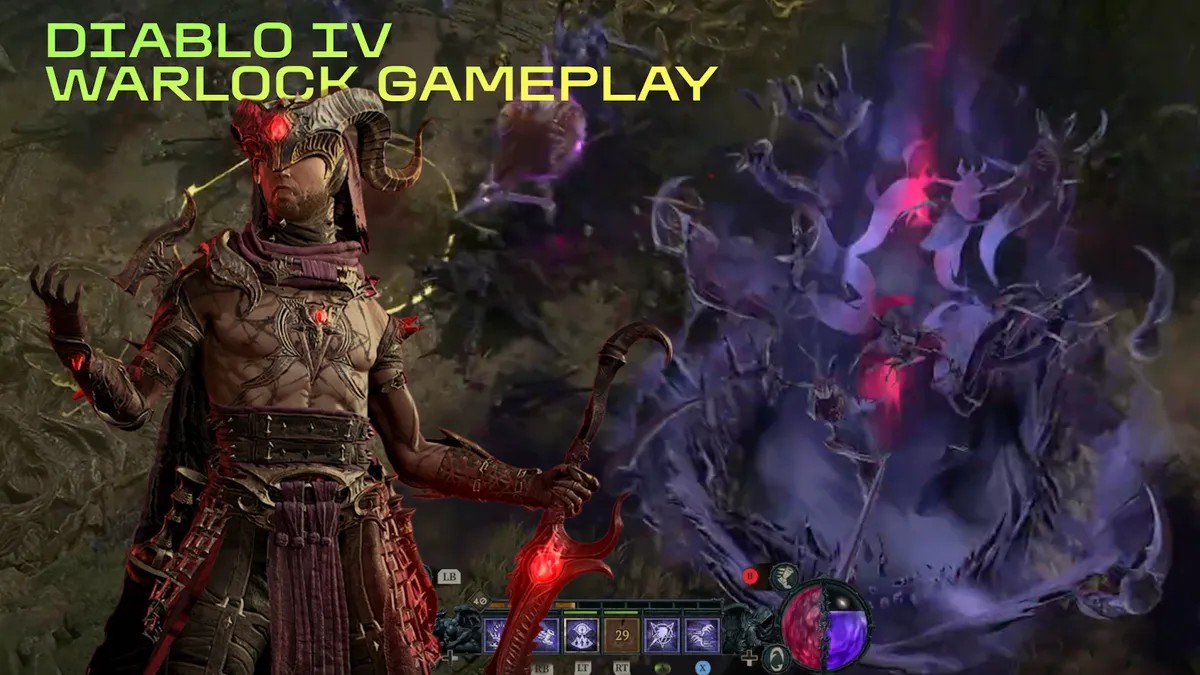
Blizzard Entertainment has unveiled the warlock class for Diablo 4, set to arrive with the Lord of Hatred expansion on April 28th. This isn’t just another addition; it’s a fundamental shift in how players will engage with demonic powers, offering a stark departure from traditional character archetypes. The warlock isn’t about wielding light against darkness — it’s about becoming the darkness, leveraging hellish forces to turn the tide in Sanctuary’s eternal conflict.
The Core Identity: Embracing the Abyss
Unlike previous iterations, such as the recently added warlock to Diablo 2: Resurrected, the Diablo 4 version is designed as a seasoned occultist, hardened by years spent battling demonic hordes. The class revolves around two core resources: dominance (for summoning) and wrath (for spellcasting), allowing for a brutal, demon-first playstyle. This isn’t about controlling demons; it’s about exploiting them. According to Blizzard developers, the warlock treats these entities as expendable tools, creating what they call a “demon sadness party” where demonic suffering is weaponized.
The inclusion of the warlock is particularly significant because Lord of Hatred marks a turning point in the Diablo narrative, concluding the story arc surrounding Mephisto, the Prime Evil. The class’s design directly reflects this theme, embodying the desperation of summoning and spellcasting at any cost.
Four Subclasses, Four Paths to Destruction
The warlock’s versatility is amplified by four distinct subclasses, each offering a dramatically different approach to demonic power:
- Mastermind: Focuses on shadowy manipulation, allowing players to summon and reposition demons with precision while maintaining stealth. This playstyle emphasizes tactical positioning and control over the battlefield.
- Vanguard: Embraces brute force, enabling players to ride into battle on demonic steeds and unleash devastating abilities like flame-spewing demon heads. This subclass is for those who want to charge headfirst into chaos.
- Legion: Prioritizes sheer demonic numbers. The Legion warlock can summon a swarm of creatures, overwhelming enemies with explosive demons raining from the sky or colossal demons crushing them underfoot. This is pure, unadulterated summoning power.
- Ritualist: Specializes in fiery destruction, trapping enemies in dark prisons before obliterating them with lava-fueled eruptions. This subclass thrives on raw magical power, sacrificing precision for catastrophic impact.
Unlocking Ultimate Power: A Taste of Chaos
The warlock’s ultimate abilities are designed to feel “turned up to 11”, according to Blizzard designers. These aren’t just stronger versions of existing skills; they are game-breaking spectacles. Whether it’s the Mastermind unleashing a roil of dark energy, the Legion summoning a kaiju-sized demon, or the Ritualist scorching the landscape with apocalyptic fire, these abilities deliver an exhilarating sense of overwhelming power.
A Strategic Addition to the Eternal Conflict
The warlock’s arrival coincides with the addition of a paladin class, offering a deliberate juxtaposition. While paladins represent holy fervor, warlocks embody the darkness. This duality underscores the core theme of Lord of Hatred : the eternal clash between Heaven and Hell.
The warlock is a deliberate exploration of demonic interaction, offering players the freedom to build “wacky” and highly customized characters. If you’ve ever wanted to fight fire with fire, including unleashing hell itself, this class delivers on that promise.