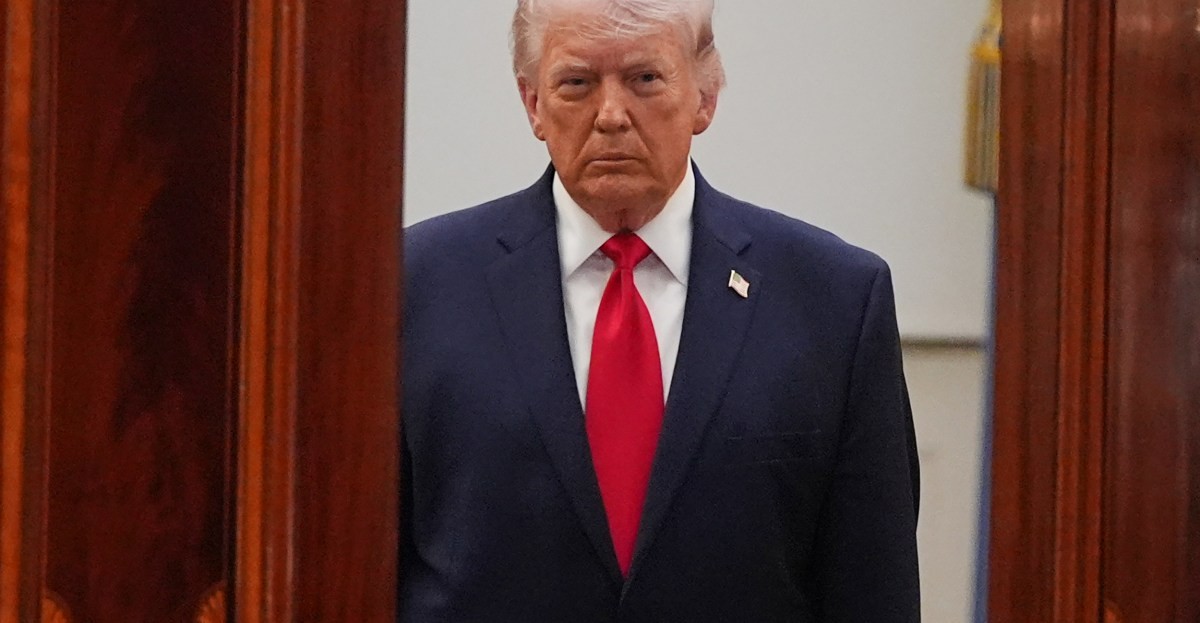
The geopolitical landscape shifted violently in a single day as President Donald Trump moved from threatening the destruction of “a whole civilization” to announcing a two-week ceasefire with Iran. This rapid transition from extreme rhetoric to diplomatic engagement has left international observers questioning the underlying strategy and the true cost of the current standoff.
The “Escalate to De-escalate” Theory
One prominent theory among analysts is that Trump may have employed a high-stakes psychological tactic reminiscent of the Russian nuclear doctrine known as “escalate to de-escalate.”
In that model, a state uses extreme, even existential threats to shock a more powerful adversary into backing down from a conventional conflict. While nuclear weapons were never a literal part of the equation, Trump’s rhetoric reached such a fever pitch that the White House was forced to issue denials regarding nuclear intentions.
By cranking the tension to a breaking point, the administration may have been attempting to create a “framing device.” This would allow the U.S. to take an existing diplomatic exit ramp and present it as a hard-won victory resulting from American strength, rather than a strategic retreat.
The Terms of the Ceasefire
The ceasefire, mediated by Pakistan, rests on a 10-point proposal from Tehran. While the specifics are still unfolding, the core components of the agreement include:
- Security Guarantees: Iran seeks an assurance that it will not face further attacks.
- Regional Stability: An end to Israeli military strikes against Hezbollah in Lebanon.
- Economic Relief: The lifting of international sanctions on Iran.
- Maritime Access: In exchange for these concessions, Iran has agreed to reopen the Strait of Hormuz for international shipping for a two-week period, provided vessels coordinate with the Iranian military.
Crucially, the current proposal does not include the surrender of Iran’s uranium stockpile or a halt to future enrichment—two demands that were previously non-negotiable for the United States.
A Strategic Stalemate?
The sudden shift in the conflict’s direction raises significant questions about who actually gained the upper hand.
The Iranian Perspective
Tehran is framing the ceasefire as a total victory, claiming Trump has accepted all their terms. By weaponizing the Strait of Hormuz, Iran successfully leveraged the global economy to offset its military disadvantages. Even with the Strait reopening, the mere threat of closing it remains a potent deterrent that Iran can deploy in the future.
The U.S. and Israeli Perspective
Conversely, Iran remains in a highly vulnerable state. Its air defenses have been severely depleted, its infrastructure has been targeted, and its leadership has been decimated by precision strikes. From the perspective of Israeli officials, the primary goal may have been achieved: inflicting maximum damage on Iran’s missile capabilities and economy before pausing the conflict.
Conclusion
The ceasefire does not represent a definitive resolution, but rather a temporary pause in a much larger struggle. Rather than a decisive victory for either side, the situation appears to be a manifestation of the “mowing the grass” strategy—a cycle of periodic, limited military actions intended to degrade an adversary’s capabilities without ever fully resolving the underlying conflict.