
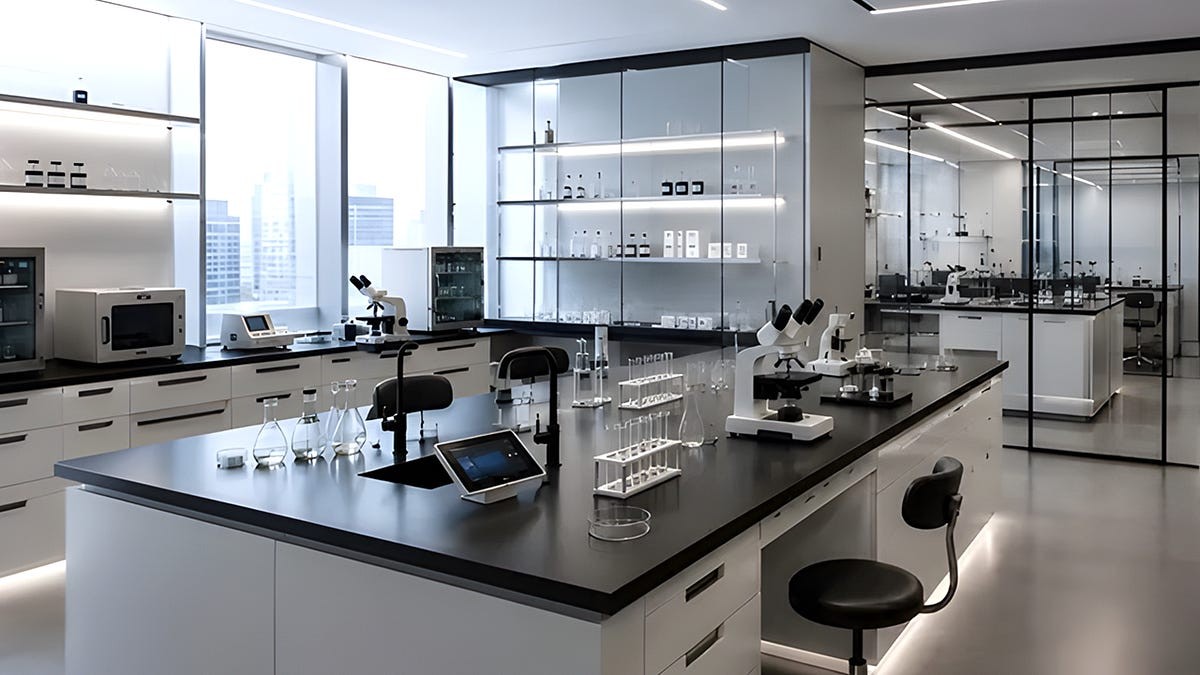
Longevium isn’t just opening another clinic. It’s building a fortress.
The Dubai-based longevity network has secured $7 million. The money is going toward a Longevity AI Research Laboratory. Construction starts now. The doors are set to swing open in the fourth quarter of 2 most of 2026 at Dubai Science Park.
Why does this matter? Because most longevity clinics just sell expensive interventions to wealthy clients. They don’t do the heavy lifting of R&D. Longevium wants to change that. Their goal isn’t just maintenance. It’s a future where healthy human lifespans could stretch up to 200 years. That is a massive claim. To back it, they need data. Lots of it.
They already have it.
Why This AI Research Lab Is Different
Longevium isn’t starting from scratch. They sit on top of an actual clinical network. Three clinics in Dubai. Over 30,000 patients served. Nearly 100 physicians and specialists on staff. That is years of longitudinal data.
Most competitors fly blind. They guess. Longevium can translate this raw clinical data into AI-powered tools. Real tools. Not hype.
The lab will focus on four big areas:
– Biological-age assessment
– Early disease detection
– Regenerative medicine
– Personalized healthspan extension
This isn’t abstract theory. The lab will build on technologies Longevium already uses. Take “Doctor Deep,” an AI assistant for physicians. Or their biological age tracking app. These are the prototypes. The lab refines them into the reference AI model for biological age in the region.
Imagine testing treatments virtually before ever touching a patient. That’s the promise of patient-specific digital twins. Built using Yamanaka factors. It sounds sci-fi. But the clinical application is grounded.
What You Can Expect From the Lab (By Q4 2026)
The research agenda is specific. It’s not just “more AI.” It’s targeted diagnostics and regenerative therapies.
Robotic Diagnostics and Wearables
Longevium is developing next-gen wearables. We’re talking swallowable capsules for gastrointestinal imaging. AI skin scanners that catch melanoma early. Smart contact lenses that analyze tear fluid. These aren’t concepts. They’re in development.
Noble Gas Therapy
This one is niche but promising. Xenon. It’s currently the most clinically advanced noble gas for therapy. Evidence suggests it protects organs and treats stress-related conditions. The lab will also investigate earlier-stage gases like argon, helium, and krypton. Why gases? Because they interact with biological systems in ways drugs don’t.
Regenerative Medicine
The goal is restoring organ function. Tissue engineering is a key pillar. If you can regrow or repair tissue using AI-guided models, you bypass the need for transplants or irreversible damage.
The Biological Age Platform
How do you measure if you’re aging slower? The platform integrates lab biomarkers, ultrasound imaging, body composition data, and wearable stats. It aims to create the definitive reference model for biological age in Dubai. And likely beyond.
Who Is Behind This?
Longevium’s network launched three locations last month:
– Jumeirah 3
– Jumeirah Lake Towers
– Jumeirah Village Circle
This expansion aligns with the new Dubai Longevity Authority. The authority was formed to oversee the emirate’s longevity, wellness, and advanced health sectors. Their vision? To make Dubai a global hub for longevity medicine. Longevium’s lab supports that directly. It provides the R&D backbone.
The project also invites collaboration. They are recruiting scientists. Reaching out to research institutions, clinical partners, and tech companies. The idea is simple: build the tools together. Share the data. Advance the field faster than any single entity could alone.
The Bigger Picture
Dubai wants to lead in longevity. The UAE has been aggressive in this space. The formation of the authority is proof. Longevium’s $7 million investment is another step. But investment alone doesn’t build a legacy.
The lab will produce research. Not press releases. They’ll track how AI-driven tools actually impact patient health. Do digital twins work? Do biological age models predict disease risk accurately? The answers will come from this lab.
Will we reach 200-year lifespans? Probably not soon. But extending the healthspan? That’s measurable. That’s actionable. And that’s what Longevium is building toward.
The question isn’t whether this lab will succeed. It’s whether other clinics can adapt. The gap between those who use data and those who sell hope is widening. Longevium is choosing the former.
We’ll see what the data says in 2026.