
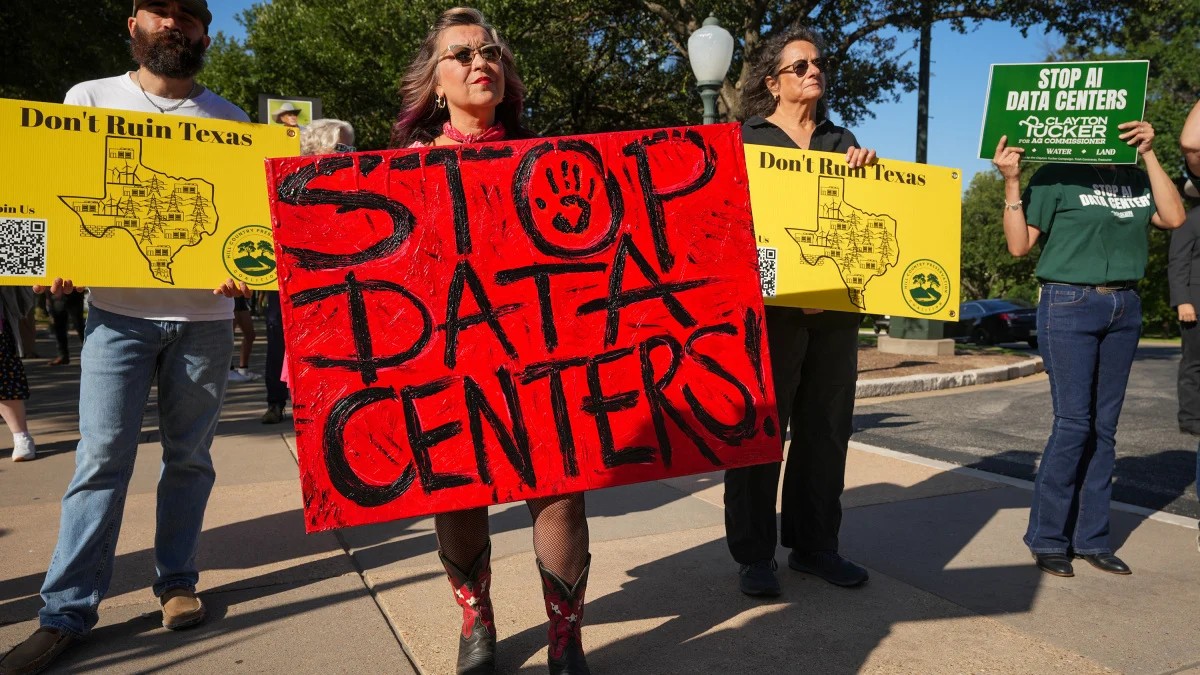
The throttle on Texas data centers is being pulled hard.
Governor Greg Greg Abbott signed a new order that effectively pauses projects attempting to tap into public utility grids. It is a decisive move. A halt to expansion. This isn’t about slowing innovation; it is about grid stability and protecting the average Texan from the fallout of unchecked industrial growth.
How Texas will stop new data center grid connections
The mechanics of this pause are specific. The Public Utility Commission of Texas (PUCT) and the Electric Reliability Council of Texas are now tasked with completing extensive audits before any developer can connect. They aren’t just checking if the wires fit. They are digging into the financials.
Developers must now disclose everything. This includes state and local tax incentives. Grants. Abatements. Public financial assistance. They have to show their cards. The audits also demand prospective water and electricity usage data. Controlling interests in the projects must be revealed, too. Transparency was optional before. It is mandatory now.
Why Texas is blocking massive power demands
The urgency is mathematical. There are currently 1,800 applications waiting for ERCOT approval.
Here is the scale:
- Approximately 90 percent of these pending projects are for data centers.
- Together, they would demand 474 gigawats of electricity.
To put that number in perspective, the Texas Tribune reports this projected demand is more than five times the peak record for the entire state grid. That is not sustainable. That is a recipe for another blackout.
Abbott was blunt about the motivation. “Our top priority is to protect Texans’ quality of life,” he wrote in his August 3 press release. “Simply put, Texans must come first.” Any project that fails the PUCT and ERCOT requirements gets denied. Period.
Which states face the biggest data center impact?
Texas is no stranger to this infrastructure boom. It is second only to Virginia in total data center count. Virginia is often called the nation’s “data center alley,” but Texas has rapidly closed the gap. According to Data Center Map, the Lone Star State hosts over 500 active facilities.
This rapid proliferation wasn’t without controversy. Wired recently reported that a regulatory permitting loophole allowed companies to build these energy-intensive giants without public notice. Communities felt blindsided. Massive structures just appeared. Coalitions formed. They demanded a statewide moratorium.
The pushback was loud. Erin Brockovich, the environmental advocate, compiled crowdsourced data showing over 1,300 residential complaints. These complaints tied directly to utility usage spikes and environmental health concerns. That figure is more than double Pennsylvania’s total. In Sulphur Springs alone, residents filed nearly 400 complaints regarding the controversial MSB Global campus.
What communities need to protect themselves now
The new audit process demands more than just financial honesty. It requires a plan to shield surrounding communities. The state recognizes that every community is unique, but the requirements are specific:
- Noise mitigation strategies
- Light controls to reduce glare and impact
- Traffic improvement plans
- Emergency response coordination
These are concrete details. Not vague promises. Developers must prove they won’t degrade the livability of the neighborhoods next door.
The pause is temporary for individual projects, but the shift in policy is permanent. The era of unvetted, high-volume power consumption by tech giants in Texas is over. The grid won’t take it. The voters won’t accept it.
What happens when the audit backlog clears? Only time will tell. But until then, the lights stay on for the people, not the servers.