
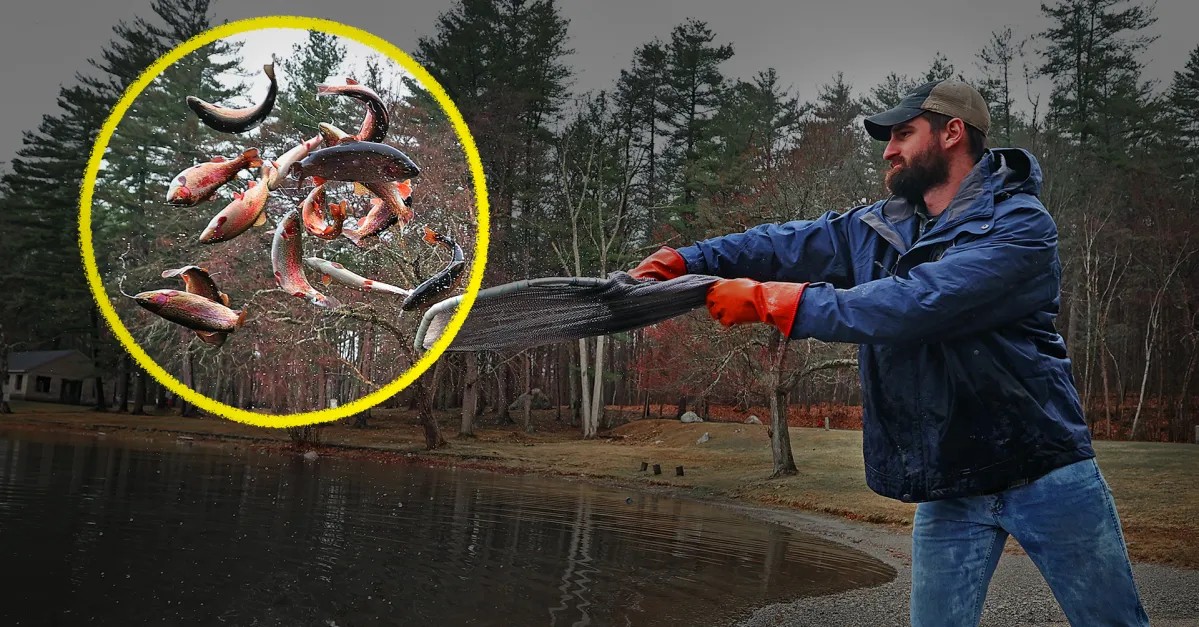
Every year, federal and state wildlife agencies across the United States engage in a massive logistical undertaking: breeding and releasing millions of fish into wild waterways. While this practice is designed to bolster fishing opportunities, it has created a complex ecological dilemma. To keep the sport of fishing alive, agencies are often introducing species that do not belong in their local environments.
The Necessity of Stocking
The primary driver behind these massive releases is the decline of natural fish populations. Many American ecosystems can no longer sustain the thriving aquatic life they once hosted. Several environmental factors have contributed to this decline:
- Dam Construction: Physical barriers that block migration and disrupt natural breeding cycles.
- Pollution: Contaminants that degrade water quality and kill off sensitive species.
- Rising Water Temperatures: Climate change shifting the thermal profiles of rivers, making them uninhabitable for many native fish.
To compensate for these losses and ensure that recreational fishing remains a viable activity, agencies step in to “restock” the waters.
The Ecological Risk of Non-Native Species
The controversy arises from what is being released. In many regions, the fish being stocked are not native to the local ecosystem. For example, in Connecticut, the Department of Energy and Environmental Protection (DEEP) releases rainbow trout (originally from the West Coast) and brown trout (originating from Europe, Asia, and Northern Africa).
Introducing non-native species into a delicate ecosystem carries significant risks:
1. Competition: Non-native fish may outcompete local species for food and territory.
2. Predation: Introduced species may prey upon native organisms, disrupting the food web.
3. Habitat Alteration: The presence of new species can fundamentally change the biological makeup of a river or lake.
While agencies implement monitoring systems and preventative measures to mitigate these dangers, the risk of ecological “havoc” remains a central concern for conservationists.
The Conservation Paradox
This creates a profound paradox: wildlife agencies are performing actions that may inadvertently harm the very ecosystems they are tasked with protecting. If the goal is pure conservation, introducing foreign species seems counterintuitive.
However, there is a secondary, more social motivation behind these programs. Recreational fishing serves as a gateway to environmental stewardship. By providing consistent fishing opportunities, states encourage the public to spend time in nature. This engagement builds a personal connection to the environment, which can foster a broader culture of conservation and support for environmental protection in the long term.
The central tension lies in balancing the immediate goal of maintaining recreational access with the long-term necessity of preserving ecological integrity.
Conclusion
Fish stocking is a double-edged sword that attempts to bridge the gap between human recreation and environmental decline. While it sustains the fishing industry and connects people to the outdoors, it does so by introducing biological variables that could permanently alter natural habitats.