
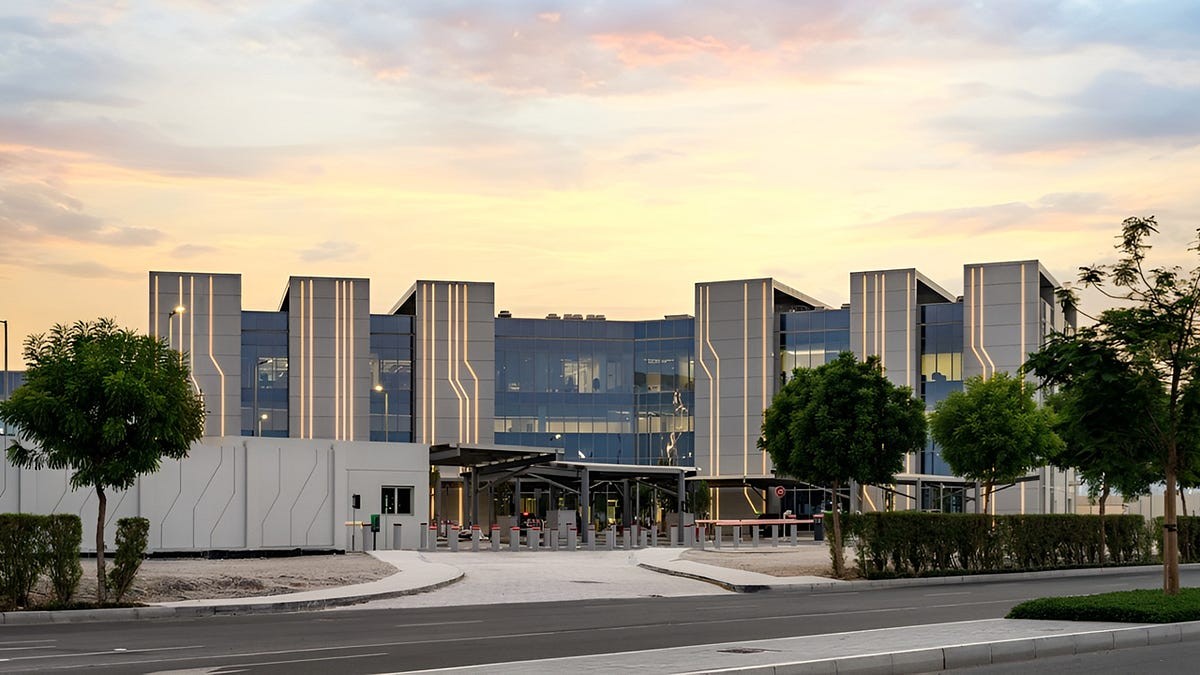
Khazna Data Centers, a subsidiary of the G42 Group, has reached a global milestone with its DXB8 facility in Dubai. The data centre has become the first of its kind to receive official Zero Waste Certification, marking a significant shift in how digital infrastructure manages its environmental footprint.
The certification was awarded by the US-based SCS Global Services following a rigorous, 12-month independent audit. According to the findings, DXB8 successfully diverted 99.55% of its waste from landfills through a combination of recycling, composting, resale, and specialized reuse programs.
Why This Matters: The Growing Environmental Cost of AI
Data centres are the backbone of the modern digital economy, but they are also among the most resource-intensive structures on Earth. As the global surge in Artificial Intelligence (AI) accelerates, the demand for massive computing power is skyrocketing. This growth brings several environmental challenges:
– Increased Scale: Larger facilities require more physical materials.
– Cooling Demands: Managing heat in high-density AI environments generates significant operational waste.
– Resource Scrutiny: While much public attention focuses on energy and water consumption, the physical waste generated by construction, cooling systems, and daily operations is increasingly under the microscope.
Khazna’s achievement provides the first third-party verified proof that a hyperscale data centre can operate with near-total landfill diversion while maintaining the “always-on” reliability required for mission-critical services.
How DXB8 Achieved the Milestone
The certification is not the result of a single program, but rather a systemic approach to operational discipline. The audit covered all facility-generated waste—including construction materials, cooling system components, and facilities management—excluding the specific IT waste produced by individual tenants.
Key drivers of this success include:
* Strict Waste Segregation: Rigorous protocols to ensure materials are sorted correctly at the source.
* Supply Chain Integration: Partnering with vendors for bottle reuse programs and material recovery.
* Governance and Culture: Embedding sustainability into the company’s ESG (Environmental, Social, and Governance) strategy and fostering a workplace culture focused on continuous improvement.
The Role of AI in Sustainability
Interestingly, the very technology driving the need for more data centres is also helping to make them greener. Khazna utilizes an AI-optimized sustainable data centre solution provided by its sister company, Presight.
This AI-driven infrastructure integrates data from various facility systems to provide:
1. Predictive Maintenance: Identifying potential faults before they cause issues.
2. Energy Optimization: Real-time adjustments to reduce power consumption.
3. Sustainability Analytics: Advanced tracking of energy use, carbon footprints, and ESG reporting to allow for precise benchmarking across sites.
This certification proves that high-performance, AI-ready infrastructure does not have to come at the cost of environmental responsibility.
Conclusion
By achieving a 99.55% waste diversion rate, Khazna’s DXB8 sets a new global benchmark for the industry. This milestone demonstrates that through rigorous operational discipline and AI-driven management, the digital infrastructure powering our future can operate in harmony with sustainability goals.