
Uber is accelerating its transformation from a ride-hailing service into a comprehensive lifestyle platform. By integrating hotel bookings directly into its app, the company is taking a significant step toward its long-term vision of becoming a “super app”—a single digital ecosystem capable of handling most of a user’s daily needs, from transportation to accommodation and food delivery.
The Hotel Booking Launch
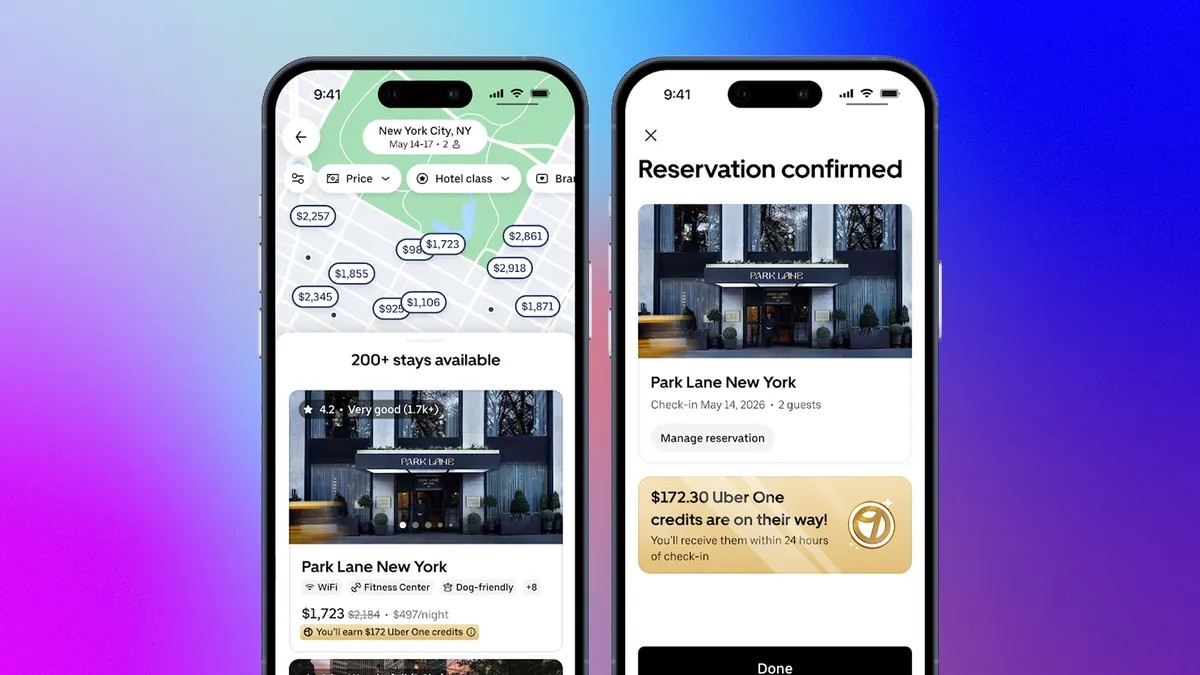
Starting this week, users can book accommodations through the Uber app by tapping a new Hotels icon on the home screen. This feature is powered by a strategic partnership with Expedia, granting access to more than 700,000 hotels worldwide.
The user experience mirrors the simplicity of booking a ride:
– Search & Filter: Users enter a destination to view options on a map or list, filtering by guest ratings, price, accessibility, and amenities.
– Transparent Pricing: All listed prices include taxes, fees, and applicable discounts.
– Seamless Payment: Reservations are confirmed and paid for using the user’s default method in their Uber Wallet.
Incentives for Uber One Subscribers
The hotel feature is designed to drive engagement with Uber One, Uber’s subscription service, which currently boasts over 46 million members across 47 countries. For $9.99 a month, subscribers receive significant travel perks:
– A 20% discount on a rotating list of 10,000 hotels.
– 10% back in Uber Credits on all hotel bookings.
The app displays potential credit earnings in real-time, reinforcing the value proposition for loyal users. Looking ahead, Uber also plans to integrate vacation rentals via a partnership with Vrbo later this year.
Why This Matters: The Super App Strategy
This expansion is not merely an add-on; it is a core component of Uber’s business model. By diversifying beyond ride-hailing—which faced volatility during the pandemic—Uber is building a resilient revenue stream. The integration of hotels, food delivery (Uber Eats), and now travel services creates a sticky ecosystem where users are less likely to switch to competitors like Lyft, which offers its own subscription service, Lyft Pink.
The goal is clear: capture more of the consumer’s wallet by being the go-to platform for mobility, lodging, and dining.
New Features Enhancing Travel and Convenience
Alongside hotel bookings, Uber is rolling out several updates designed to improve the travel experience and streamline app usage:
Global Uber One Benefits
Starting June 1, Uber One members can earn ride credits and enjoy $0 delivery fees while traveling abroad. These rewards remain accessible even after returning home, enhancing the utility of the subscription for international travelers.
AI-Powered Voice Bookings
Uber is introducing an AI-driven voice assistant to simplify ride requests. Users can tap the microphone icon and verbally specify their destination and preferences—such as needing a pet-friendly vehicle or the lowest fare. The AI processes the request and presents optimal options for confirmation.
“Eats for the Way”
For premium users of Uber Black and Uber Black SUV, a new feature allows riders to order coffee, tea, or snacks via Uber Eats before their pickup. The driver will retrieve the items before arriving to collect the passenger. This service, currently launching in major cities like Atlanta, Austin, Los Angeles, Philadelphia, San Diego, and San Francisco, bridges the gap between luxury transport and convenience.
Integrated Search and “Shop for Me”
Uber is further blurring the lines between its services:
– Unified Search: The search bar now covers rides, food, and items simultaneously. Searching for “ice cream” will display both nearby shops for pickup and delivery options.
– Shop for Me: Users can request items from stores not listed on Uber Eats by providing photos and details. A shopper will locate the item, and the user pays the in-store price.
Conclusion
Uber’s addition of hotel bookings and AI-driven conveniences underscores its aggressive push to dominate the daily lives of its users. By tightly integrating transportation, accommodation, and retail, Uber is not just offering convenience—it is constructing a defensible moat around its subscription base, ensuring that every trip, stay, and meal contributes to its ecosystem.