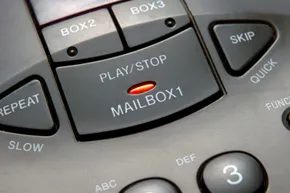
You used to have to be standing next to a beige box on your desk to hear who called. That was the reality of the traditional answering machine. It recorded analog or digital audio onto a physical tape or tiny hard drive. You pressed a button. You listened. That was it.
Voice mail changes the entire dynamic.
With an answering machine, you are tethered to a location. If you are not home, you are not listening. Voice mail decouples you from the physical device. You can check messages from any phone. Landline. Cell. Anywhere.
How Voice Mail Access Works
The mechanism is simple but transformative. You call a central server number. You enter a numeric access code. Then you hear your inbox.
This access code is not just a formality. It is a security layer.
Without that code, you cannot listen. Answering machines lack this barrier. Someone walking by your office or visiting your home can push a button and hear your private conversations. Voice mail requires authentication. That is a significant privacy upgrade.
Managing Messages Remotely
Beyond security, voice mail offers control.
Keypad commands replace physical buttons. You can forward messages. Send a copy to another voice mail box. Maybe a colleague needs to hear the client’s complaint too. You can record an introductory note before forwarding. Set the context.
You can save messages. Delete them. Archive them. All with simple entry codes.
Caller ID integration is standard. You see the originating number. The date. The time. Some systems let you instantly reply if the sender is on the same network.
Urgent flags help you prioritize. Callers can page the recipient directly. They can flag a message as urgent. Important information reaches you faster.
The Verdict
Whether for business, home, or mobile use, the advantages are clear.
Answering machines are static. They store. They replay. They require presence.
Voice mail is dynamic. It is accessible. It is secure. It manages information flow.
The future of voice mail involves even more integration. But right now, the shift from physical recording to networked access is the defining difference.