
Fewer students were applying for computer science degrees at Cambridge. The ones who did apply had virtually no programming skills. This was the disturbing trend noticed by staff at the Computer Laboratory in the mid-2000s. In the 1990s, applicants often came from homes with easily programmable machines. By the 2000s, that experience had vanished.
The gap wasn’t just academic. It was societal. The economy and education systems were shifting in ways that made fixing the problem difficult. But there was one specific culprit that a small group of academics thought they could actually solve. They realized that the lack of accessible hardware was starving the next generation of coding experience.
The Global Skills Shortage
This deficiency in programming knowledge began to ripple outward. It wasn’t just a university issue anymore. It was a workforce problem. Students arrived in classrooms needing remedial instruction before they could even understand basic concepts. The impact was visible across borders. The U.K., the U.S., and other nations saw a steady decline in computer science graduates throughout the 2000s.
The fear was that a continuing shortage will hurt the country’s competitiveness and future innovation.
The consequences were immediate. The gaming industry, once a stronghold for British talent, began falling behind. Global shortages of qualified IT workers became the norm. Demand for these workers remained strong despite a struggling economy. We rely on digital services and computer-driven conveniences daily. Who will build the self-driving cars, the housecleaning robots, and the next generation of video games if no one knows how to code?
Building the Solution
The answer came from an unlikely team. In 2006, Eben Upton from Cambridge’s Computer Science department partnered with Rob Mullins, Jack Lang, and Alan Mycroft. They were joined by Pete Lomas of Norcott Technologies and David Braben, the co-author of the legendary game Elite. Their goal was simple. Create a low-cost, programmable computer. Get it into the hands of as many children as possible.
They set a hard price target. $25 per device. That was around the cost of a single textbook. They even planned for a slightly more expensive model for those who needed extra power. This effort formed the Raspberry Pi Foundation, a charitable organization dedicated to reviving computing basics.
A Card-Sized Revolution
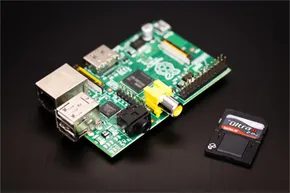
By 2012, that vision became a tangible product. The Raspberry Pi launched. It was the size of a credit card. It was fully functional. It had modern high-definition multimedia capabilities. It was inexpensive.
This device wasn’t just hardware. It was a tool to reverse a decade-long decline in technical education. It brought programmable computing back to the living room. It gave kids a way to touch the code that runs the world. The gap between the aspirants of the 90s and the 2000s remained wide for many years. But here was a chance to bridge it. One small board at a time.