
Social networking isn’t a new invention. It’s just an old habit wearing a digital mask. For centuries, mothers have gathered to swap war stories, ask for advice, and find comfort in shared chaos. Before broadband and Wi-Fi, this network was physical. It lived in extended families, on front porches, and at local community centers. The reach was limited by geography.
Today, that physical gathering has gone online. Moms are no longer bound by zip codes. They are building communities that stretch far beyond their immediate neighborhoods.
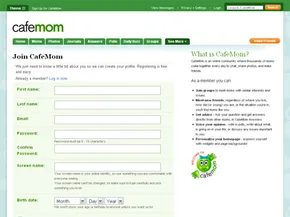
One of the most prominent examples is CaféMom. This isn’t just another social network. It is a dedicated hub for mothers and those expecting their first child. The platform allows users to read articles, write blogs, and dive into advice columns. The topics extend well beyond diaper changes and sleep training. You can join for free. You can post your own thoughts. You can create photo galleries.
There is also a financial incentive to participate. Users can request free products from sponsors. In return, they are asked to discuss these products within the CaféMom community. This isn’t just passive consumption. It is active engagement.
The engine driving this operation is CMI Marketing. The company launched in 1999. Its founders included Andrew Shue and Meredith Viera. Their initial goal was to support ClubMom.com. That original site featured message boards, blogs, and articles. It also had a robust affiliate program where sponsors offered rewards for purchases.
The strategy shifted over time. Between March and May 2007, CMI ended the ClubMom affiliate program. They focused on enhancing the site before launching a new affiliate program for their sister site, CaféMom. The pivot was clear. All efforts were redirected to the new platform.
Andrew Shue and CMI CEO Michael Sanchez described the vision for CaféMom. They wanted a space that was strictly for women. They called it a “no dads allowed” environment. The goal was to create a safe space for mothers to help each other without the noise of other demographics.
The advertising model on CaféMom is radically different from standard social networks. Shue compared it to a “Tupperware party on steroids.” This analogy captures the essence of the platform. Moms interact with products. They then market those products to each other through reviews.
These reviews carry weight. They feel authentic because they come from real people. The opinions are varied. They aren’t polished corporate PR. However, negative reviews are not a disaster for the platform. Sanchez explained that CMI carefully selects sponsors. The company ensures its partners make quality products. This vetting process results in roughly 90 percent positive reviews.
Because of this high-trust environment, CaféMom can afford to display fewer ads. The site uses smaller ads and sponsored widgets focused on moms. This keeps the experience from feeling cluttered. The focus remains on the community, not the commercials.
This unique approach to marketing and community building sets CaféMom apart from its competitors. It offers a specific type of value that general social networks cannot match.
Using CaféMom

You have two distinct paths on CaféMom. You can treat it as a library or as a party. As a resource, just browse. Use the search bar. Look at the Daily Buzz tab for articles from five professional bloggers covering pregnancy, raising children, and healthy living. The Answers tab holds community questions and responses. The Groups tab hosts discussions on specific interests. Even the Polls tab lets you vote online. No sign-up required for any of this.
But to contribute? You need an account. Click the sign-up link at the top. Fill out a basic form. Name. Email. Birth date. You must agree to the Terms of Service. This agreement sets two hard rules. Users must be at least 16 years old. It also outlines your privacy options. Once submitted, CaféMom emails your screen name and password to the address you provided.
Setting Up Your Profile
The customization starts immediately after signup. Pick a theme. Adjust the home page layout and content. Your profile is where you list details about your kids or pregnancy. You can also opt in to receive free products from sponsors for review. Privacy isn’t an afterthought here. You can hide specific information from certain users by adjusting security levels for that data.
Core Social Features
CaféMom operates like other social networks. It’s about sharing yourself and interacting with others. Here is how the main tools work.
- Thought bubble and mood — Update these on your home page. They display with your screen name on comments and posts everywhere.
- Photos — Upload and manage images. Organize them into albums. Create and vote in Showdowns where photos compete for user votes.
- Journals — Write and edit posts. Follow and comment on other users’ journals. You can even publish posts to the CaféMom Marketplace, a classified ads section.
- Answers — Post questions across several categories. Respond to questions from other users.
- Groups — Find topics that interest you. Join groups to participate in discussion. Some are members-only. Others are open to all users.
- Messages — Send direct messages to other users. It works like web mail.
- Instant messages — Chat in real-time with logged-in users. Use the built-in Meebo tool to connect to other networks like AOL Instant Messenger.
Widgets and Beyond
Beyond the social features, there is the Widget Directory. Access it from the Home drop-down list in the top navigation bar. Each widget is either a fun game or a helpful tool. They run on the site. Most are sponsored by CaféMom or by product brands advertising there.
This covers the mechanics. The next section looks at the benefits, competitors, and downsides.
Targeted Community vs. General Social Networks
CaféMom isn’t trying to be everything to everyone. It focuses on one thing: moms and expectant mothers. The platform mirrors the mechanics of big social networks but strips away the noise to focus on parenting topics. You can vent frustrations, share joys, and ask questions in journals or discussion groups. The presence of major sponsors gives the site a veneer of safety and reputation that smaller forums often lack.
Real Connections and Niche Interests
Beyond baby talk, the site facilitates friendships based on shared lifestyles. Consider this scenario. You need a car seat. You check reviews on the site. Then you ask a specific question about fitting that seat in a Toyota Prius. Another mom replies. You start talking about hybrids. Maybe even environmental impact. Or that cousin of yours who works for Toyota.
Suddenly, you’re not just looking for a car seat. You’ve found a discussion group on conserving resources. Or just a friend to chat with. Some of these online connections even spill into offline friendships.
The Competitive Landscape
CEO Michael Sanchez sees Facebook and MySpace as the main rivals. These giants have mom-centric features, but they don’t feel as safe or focused. Google searches for “online networks for moms” yield millions of results. There are tiny private communities and larger groupings within mainstream sites. Some, like TheMommiesNetwork.org, buy ads to stay visible. Yet, direct competition is weak. Each site offers a different user experience. The niche players aren’t fighting for the same headspace.
Staying Safe Online
The downsides mirror those of any social network. Privacy features and Terms of Service exist, but you still need to be careful. Personal safety online requires vigilance. Posting photos or details about your kids carries risk. Members might provide false or anonymous identities. This extends to offline meetings. You can’t trust every profile entirely.
For most, the benefits outweigh the risks. Finding friends and getting advice is worth the caution. It’s a trade-off most mothers are willing to make.
Looking Forward
Social networking continues to evolve. Understanding how niche communities differ from general platforms is key.
“The benefits of finding friends and sharing advice typically far outweighs these risks.”
Sources
- CaféMom. “People.” (June 22, 2009)
- CafeMom. “Time for Brands to Change their Approach when Marketing to Mom, Says New Report by Razorfish and CafeMom.” Feb. 2, 2009.
- Gogoi, Pallavi. “I Am Woman, Hear Me Shop.” Business Week. Feb. 14, 2005.
- Hegedus, Mike. “Mike on America: Marketing to moms.” CNBC. April 23, 2008.
- Holahan, Catherine. “From Melrose Place to CafeMom: Jersey dads dish on their site for moms.” BusinessWeek. May 18, 2007.
- Internet Archive. “Wayback Machine for clubmom.com.”
- Marketing Vox. “Social Network CafeMom Lands $5M in Funding.” Aug. 24, 2007.